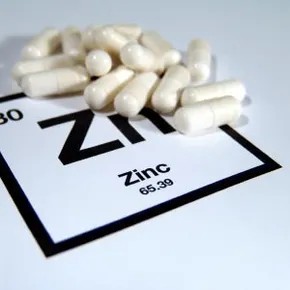
We talk a lot about vitamins. You can always find it in cereal boxes and in the multivitamin aisle. However, if you focus only on vitamins, you will missing half the picture. The body also needs minerals. You especially need zinc.
This is not just an additional trend. Zinc is the workhorse. It affects the skin, hair, immune system and ability to heal. Think of this as your 24-hour skin mechanic. When you get a cut or your pores are clogged, zinc can help repair the damage. Without this, the repair time will be delayed. Your skin pays the price.
How zinc improves skin condition
You may already know that zinc helps wounds close faster. However, its role in topical irritations is surprisingly specific. Research shows that zinc is effective in treating acne, skin sores and minor injuries. Helps cell regeneration.
Consider acne. It’s not just surface cleaning. Zinc helps nip acne in the bud by reducing the production of sebum (a natural oil that clogs pores). It also helps to heal the damaged skin around the acne. Some studies have linked the development of acne directly to a lack of zinc in the diet.
“Zinc is like the 24-hour, on-call skin mechanic. It helps repair damaged tissues and heal wounds.”
It’s not just acne on the face. Zinc is also promising in solving other common skin problems.
- Acne : Used topically and orally to reduce inflammation and scarring.
- Diseases of the scalp : Shampoos containing zinc can help treat dandruff and fungal infections.
- Diaper rash : Zinc can help prevent and heal this common inflammation.
Then there is the sun. You may be using zinc to protect yourself without realizing it. Many sunscreens with broad-spectrum protection contain zinc oxide. This is a physical blocker. Researchers are now looking more closely at its anti-cancer effects, particularly how it can prevent skin cancer from coming back in patients who already had it.
There is also promising evidence for eczema, psoriasis, burns, abscesses and leg ulcers. More research is needed, but the pattern is clear. Zinc is essential for normal cell growth. It offers tangible health benefits.
Food sources of zinc
Deficiency is not only slow to heal; It can cause hair loss. Lose weight. Lethargy. eye problems. rash. If this allows you to eat properly without fear, you may be able to benefit from it. Wounds heal faster. Clearer skin. You will have fewer fungal problems.
You don’t need to take a pill to get zinc. You need a plate. The best source of food is a balanced and varied diet. Here is where to look:
- Red meat : Beef, pork, lamb and liver are all powerhouses.
- Dairy products : Cheese and milk contribute significantly.
- Eggs : A simple and readily available source.
- Seafood : Oysters are probably the single best source.
- Nuts and Seeds : Peanuts and peanut butter.
- Beans : Beans are a solid plant-based option.
- Whole grain : Bread and cereals often contain it.
- Fortified cereals : Check the label.
But here’s the problem. Fruits and vegetables are not good sources of zinc. The body cannot use zinc from plant proteins in the same way as it uses zinc from animal proteins. That doesn’t mean you should skip them. These provide other valuable nutrients that keep your skin healthy. Just don’t rely on them for zinc.
And be careful. Taking too much zinc can cause side effects. stomach ache. Vomit. diarrhea. More is not better.
A Warning on Cold Remedies
Zinc is a popular for treating the common cold. It seems logical, but if zinc boosts immunity, why not use it to treat viruses?
However, you have to be careful. In June 2009, the FDA issued a strong warning against taking the Zicam zinc remedies through the nose. Studies have shown that these nasal gels and swabs can cause permanent loss of smell. This recall only applies to nasal products. It does not affect lozenges and tablets.
So, take your zinc. Eat your red meat. Wear your zinc oxide sunscreen. But leave the nasal sprays alone. Your sense of smell is worth more than a few days of congestion.
Hidden costs of quick fixes
It’s easy to be tempted by quick fixes. We see headlines about miracle molecules and certain vitamins that promise to turn back time. The reality is often quieter. There are no magic pills to cure aging skin. Or for anything else.
Consider supplementing with zinc. They seem harmless enough. Take zinc when you have a cold. However, the FDA has issued a warning about certain intranasal zinc products. Why? Because the risk of losing your sense of smell is real. This is a stark reminder that “natural” doesn’t necessarily mean safe. It just has a different meaning.
Nutrition starts at the table
You can’t take care of your skin with a bad diet. This is the harsh truth. The skin is the largest organ in the body. We need fuel. It’s not just superficial hydration with advanced serums. Deep down.
Resources from the American Academy of Family Physicians and MedlinePlus illustrate the basics. Minerals. Vitamins. Zinc. These are not buzzwords. They are building blocks. Zinc in particular plays a role in healing. Helps repair body tissues. But it’s not magic. First, you need to get it from your diet. Oysters. Meat. Beans. If you’re looking for “nutrients for healthy skin,” start with your shopping list, not the drugstore drawer.
WebMD contributor Colette Bouchez emphasizes this inside-out approach. Nourishing the skin is not a trend. This is biology. When your body lacks important minerals, it shows on your skin. Dryness. Dullness. Lack of resilience.
Misconceptions about sunscreen
Next, the makeup routine begins. Many women use sunscreen as a last step. Before powder. Before blush. This is a common mistake.
Susan P. Clark notes that sunscreens must form a continuous film. Make-up interferes with the film. This creates a gap. UV rays pass through. You get the protection you need, but not the protection you want.
The fix? Simple. Use sunscreen as the last step in your skin care routine. Let it set. Then apply makeup. This order changes slightly. The difference in efficiency is huge. Don’t let your beauty habits harm your health.
Weather and daily habits
Will the weather change everything? Yes. Living in a dry climate your skin barrier works overtime. It loses moisture. Quickly. The American Academy of Family Physicians reminds us that showering daily strips your body of its natural oils. This is especially true in winter.
Is daily bathing too much? For some skin types, yes. Be especially careful when using hot water or strong soaps. Skin protection requires maintenance. It’s not demolition.
TeensHealth and the Nemours Foundation emphasize that vitamins and minerals are essential for people of all ages. It’s not just about physical growth. This is to maintain functionality. Zinc supports the immune system. Supports skin health. If you ignore this, you will face an uphill battle with every product you buy.
Overall picture
Diagnosing and treating skin cancer are important issues. WebMD details the complexities involved. Prevention is easier than treatment. Sunscreen. Hats. Shade. These are non-negotiable.
However, not only prevention, but also maintenance is essential. Know what your skin needs every day. Five things. Not fifty. humidity. protect. Gentle cleaning. nutrition. Patience.
The internet is full of noise. “Antiaging Molecules”. “Panacea.” Ignore the hype. See the source. Mayo Clinic. FDA. Medline Plus. They don’t sell you cream. They tell you the facts.
Your skin is fragile. Treat it like one. Feed it well. Protect it fiercely. Remember, the best skin care isn’t a complicated ritual. It’s consistency. It’s knowing what works for your skin. It’s not a trend.
It’s very messy. It is incomplete. This is yours.