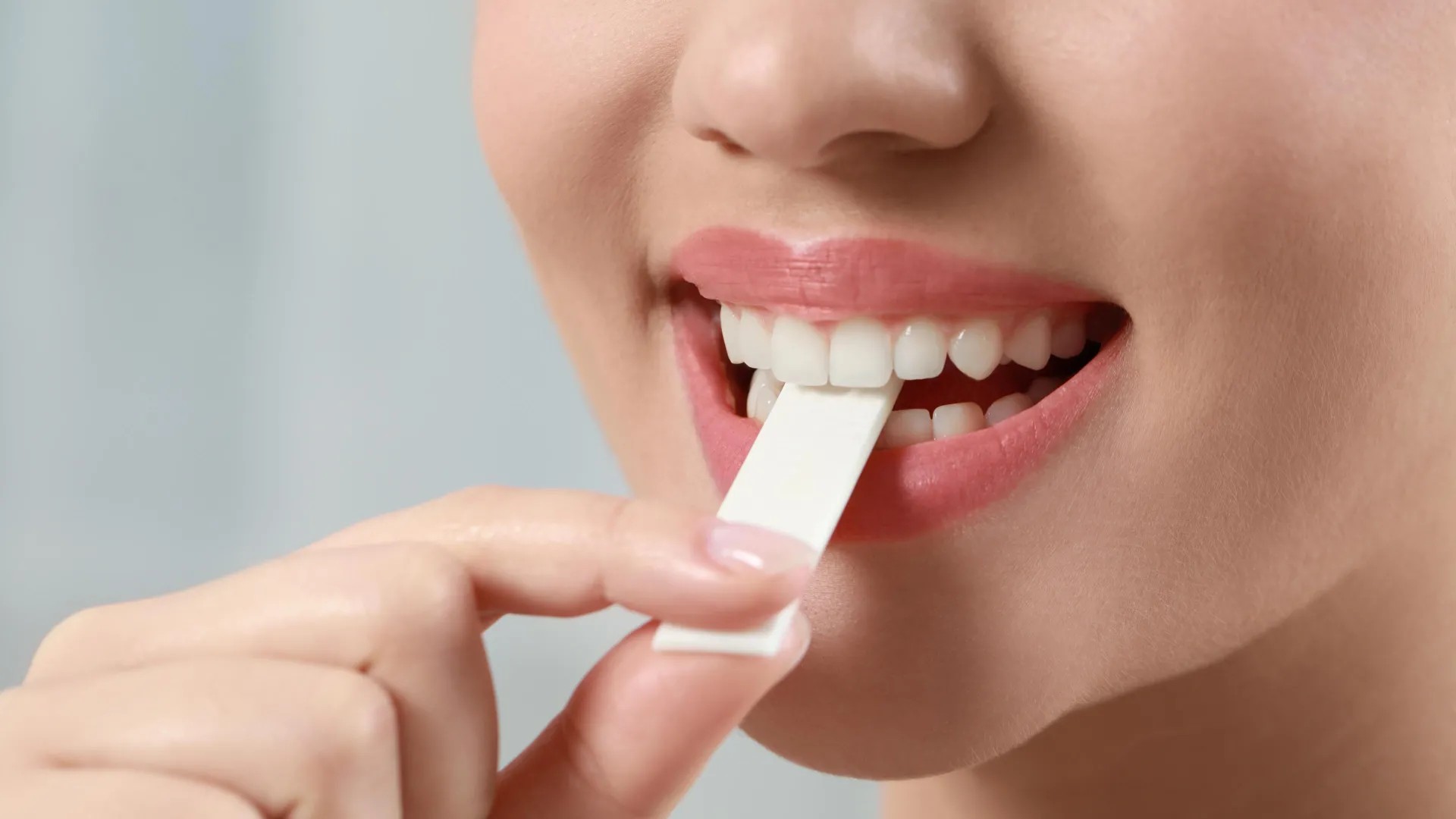
Henry Daniell didn’t just find another way to treat head and neck cancer. He found a way to eat it away. Or chew it, anyway.
The results are in Scientific Reports, and they are stark. A custom-made chewing gum, derived from lablab beans and infused with specific antiviral proteins, slashed HPV levels in patients by up to 93%.
This isn’t just a lab curiosity. It’s a potential lifeline for a disease that is becoming harder to manage.
The grim reality of current head and neck cancer treatments
Head and neck squamous cell carcinoma is aggressive. It starts in the mucous membranes of the mouth and throat, then spreads. By the time it’s caught late, survival rates drop.
We’ve spent years waiting for a miracle drug to fix this. Recent FDA approvals for cancer meds have done little to move the needle on five-year survival. Patients’ quality of life hasn’t improved much either. They trade one set of side effects for another.
We need something different. Something that doesn’t just attack the tumor but addresses the biological environment feeding it.
How lablab bean gum targets the root of the problem
Daniell, a professor at the University of Pennsylvania School of Dental Medicine, has been looking at the oral microbiome. He noticed that HPV isn’t acting alone. It teams up with harmful bacteria like Porphyromonas gingivalis and Fusobacterium nucleatum.
These three microbes—HPV, Pg, and Fn—create a toxic partnership. HPV drives infection. Pg and Fn worsen survival rates, even after surgery and radiation. They linger in the tissue, resisting standard adjuvant therapies.
So the team turned to an unlikely source: the lablab bean.
Why this approach preserves the oral microbiome
Most treatments are blunt instruments. Radiation kills cancer cells, sure. It also kills the good bacteria that keep your mouth healthy. When those beneficial microbes vanish, opportunistic pathogens like Candida albicans (yeast) take over. The trade-off is severe.
Daniell’s team engineered the lablab bean gum to carry FRIL, a naturally occurring antiviral. In saliva samples, it reduced HPV by 93%. In oral rinses, by 80%.
They then added protegrin, an antimicrobial peptide. This change targeted the bacteria directly. A single dose dropped Pg and Fn levels to almost zero.
Crucially, the good bacteria survived. The treatment was surgical in its precision, even if delivered via gum.
Can this chewing gum become a standard adjuvant therapy?
The goal isn’t to replace chemotherapy or surgery. It’s to work alongside them.
Lip and oral cavity cancer remains the seventh leading cause of cancer incidence and mortality in adolescents and young adults as of 2022. It’s hitting younger people, too.
Daniell argues this gum should move to clinical trials as an adjuvant. It could help prevent reinfection. It could reduce the microbial load before a procedure, making the surgery cleaner. It could protect patients during radiation, keeping their microbiome intact.
This isn’t just about killing viruses. It’s about restoring balance in a ecosystem that conventional medicine often scorches.
What comes next?
The study involved a focused group of researchers across multiple institutions. Support came from the NIH, the David Geffen School of Medicine, and the National Cancer Institute.
The findings are preliminary but potent. We are looking at a future where cancer care includes daily, accessible interventions like this. Not just infusions. Not just scalpsels. But something as simple as a stick of gum that fights back.
The question is whether regulatory pathways can move as fast as the science. The data suggests the gum works. The biology makes sense. The need is desperate.
Will we let another decade pass waiting for the next “major improvement” in traditional drugs? Or will we try something that actually changes the battlefield?