You want those nails to look like they just came out of the salon, but you don’t have the patience for them to crack an hour later. UV gel manicures promise exactly that. They hold the “wet look” for weeks, not days.
How the UV gel manicure process works
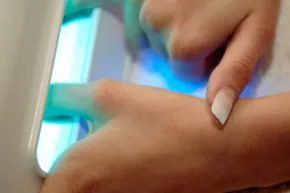
Forget sitting under a mini-fan, coughing up nail dust while waiting for polish to dry. That’s a thing of the past. Instead, a technician applies four to five coats of gel polish. After each coat, your hands go into a small box with a UV-A light.
This light cures the polish, turning it into a super-hard finish. It’s not just about speed. The durability is the main selling point. Standard polish might last a week or ten days. Gel nails can last up to three weeks. Some people see their nails grow out without a single chip, crack, or peel.
Gel nail polish is also called “soak-off” polish because removing it is a beast.
You can’t just wipe it off. You have to soak your fingers in acetone for a long time. Then, you scrape the residue off with metal tools that look like medieval torture devices. It’s time-consuming, uncomfortable, and can be hard on your natural nails.
Is the UV light actually dangerous?
This is the big question. Is it worth the risk?
The UV light used to cure gel nails is the same technology found in tanning beds. It’s a concentrated dose of UV-A radiation. While you only sit under it for about five minutes, that is still significant exposure.
Medical professionals have raised concerns. A 2009 report in the Archives of Dermatology warned that regular exposure to these curing lights could lead to photoaging and an increased risk of skin cancer. The light penetrates deep into the skin. It doesn’t just hit your nails; it hits the delicate skin on the back of your hand.
Some frequent gel nail users have noticed age spots developing on their hands. That’s a preliminary sign of UV damage. You don’t go out in the sun without sunscreen, so why subject your hands to a “mini tanning bed” session every few weeks?
Chemical concerns beyond the light
It’s not just the lamp. The chemicals in the polish matter too.
Many gel preparations use methyl acrylate. For some people, this ingredient triggers allergic reactions, like contact dermatitis. Other formulas contain butylated hydroxyanisole (BHA), an ingredient that has been linked to cancer in separate studies.
If you have sensitive skin, do a patch test before committing to a full set.
How to protect your hands if you still want gel nails
If you decide the long-lasting look is worth the potential downsides, you can mitigate the risks.
- Wear sunscreen. Apply a product with SPF 30 or higher to your hands before the manicure. Do this for salon visits or home kits.
- Use barrier protection. Consider wearing cotton gloves with the fingertips cut off. This blocks direct UV exposure to your skin while still allowing the light to cure the nails.
- Check the formula. Look for brands that avoid BHA or use gentler acrylates if you have a history of skin sensitivity.
Cost and DIY options
Salon gel manicures are expensive. They can cost up to twice as much as a traditional manicure. If price is your main worry, you can go the DIY route.
Home kits with UV lamps are available at most nail retailers. The initial investment is around $75. If you get gel nails often, you’ll save money over time. Just be sure to follow the curing times precisely and keep your skin protected.
Beautiful nails start with health, not just polish. Eat a diet rich in calcium and vitamins B12, A, and C. Your nails need nutrition to stay strong, especially if you’re using harsh removal methods like acetone soaks.
The technology delivers on its promise of longevity. Whether that convenience outweighs the UV exposure and chemical risks is a personal call. Just know what you’re signing up for.