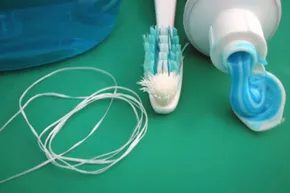
You know the drill. Brush twice. Floss once. It is the holy trinity of dental hygiene. But let’s be honest. Flossing is a chore. It is tedious. It often leads to bleeding gums and frustration. That is why so many people skip it. Only 13.5 percent of Americans floss daily. The rest are hoping for a loophole.
Enter the water flosser.
Tools like the Waterpik have changed the game. They use pulsating, pressurized jets of water to loosen debris. It is not just about blasting away food particles. It is about tackling the invisible threat: biofilm.
The Biofilm Problem
Biofilm is essentially super plaque. It is a tough bacterial layer that clings to teeth. Poor brushing habits often lead to its development. Regular brushing misses it. Standard string flossing lacks the power to strip it away.
Water flossers work differently. They use rapid bursts of compression and decompression. This action blasts biofilm off teeth. It eliminates embedded plaque and tartar where string cannot reach. The result is a cleaner surface without the aggressive scraping of traditional methods.
Proven Results for Gingivitis
Is it actually better than string? The data says yes.
A 2005 study by the University of Nebraska looked at gum health. The findings were stark. Water flossers are more than 50 percent more effective at controlling gingivitis. Gingivitis is just the beginning. If left untreated, it leads to serious gum disease.
The study also highlighted a major benefit for sensitive gums. Water flossers reduce the risk of bleeding during cleaning by up to 93 percent. That is a huge difference for anyone who dreads the sight of red-tinged water in the sink.
Braces and Compliance
If you have braces, you already know the struggle. Food gets trapped in the wires. String floss is difficult to maneuver. It often cuts into the gums or snaps.
A study on children and young adults with orthodontic appliances proved a simple point. Water flossing was more effective at removing bacteria from braces. It was also more enjoyable. People liked using it.
This matters. Oral hygiene compliance is low. Anything that makes people more likely to clean their teeth regularly reduces gum disease and cavities. If a device makes the task fun, people will actually do it.
The Bigger Picture
Good oral health is not just about a pretty smile. It is about your overall health.
Medical research in various disciplines suggests a direct link. Infections in the mouth can cause illness elsewhere. The cardiovascular system is particularly vulnerable. Bacteria from the mouth can enter the bloodstream. This triggers inflammation. It affects heart health.
Keeping your mouth clean is a defense strategy. It protects your teeth. It protects your gums. It protects your heart.
What About Tips and Accessories?
Most water flossers come with removable tips. These allow for specialized cleaning. You can target specific areas.
- Standard tip: For general cleaning around teeth and gums.
- Plaque seeker tip: For deep cleaning around bridges and crowns.
- Orthodontic tip: Designed specifically for braces and wires.
- Periodontal tip: For cleaning deep into periodontal pockets.
This versatility is hard to match with string. You cannot easily adapt a piece of waxed thread to fit every unique shape in your mouth. A water flosser can.
The Bottom Line
You still need to brush. Do not forget that. But consider swapping your string for a stream of water. The technology exists to remove biofilm more effectively. It reduces bleeding. It helps with braces. It makes compliance easier.
And if compliance goes up, your teeth stay stronger. Your gums stay healthier. Your heart stays safer.
It is a small change. A minor adjustment to your routine. But the cumulative effect is significant. Start small. Try the water flosser. See how it feels. Your mouth will thank you.