You are running on empty. That is the premise of Dr. Pamela Peeke’s bestseller, Fight Fat After Forty. Modern life isn’t just busy; it is structurally designed to trigger weight gain. You squeeze every minute to meet deadlines. You worry about falling short. That constant state of low-grade anxiety produces stress. And according to Peeke, stress is biologically toxic to the human body.
It is not a lack of willpower. It is a chemical reaction.
How Stress Hormone Triggers Belly Fat
When stress hits, your brain releases a cocktail of chemicals. One of them is cortisol. This stress hormone acts as a powerful appetite trigger. Think about what you crave when you are overwhelmed. It is rarely steamed broccoli. You want candy. Ice cream. Cookies. Potato chips.
These foods provide the carbohydrates and fat needed to replenish the calories burned during the “fight or flight” response. It makes evolutionary sense. But when this cycle repeats day after day, it becomes toxic. The result is weight gain.
Peeke’s research shows that these extra calories do not distribute evenly. They gravitate toward one specific area: the waistline. Abdominal fat is not just a vanity issue. It is linked to heart disease, diabetes, high blood pressure, stroke, and cancer. That expanding waistline is a threat to your life.
To stop toxic weight gain, you need to keep cortisol below the threshold that stimulates appetite. Meal timing is the lever you can pull. Here are the first two strategies from Dr. Peeke’s ten-step plan.
Eat Breakfast Before 9 A.M.
You must eat a healthy breakfast no later than 9 a.m. This is non-negotiable for managing cortisol spikes. Do not skip it. If you are rushing, place a bowl of oatmeal on your dressing table. Eat it while you put on makeup.
The goal is early fueling to stabilize blood sugar and blunt the stress response. Good options include:
- A nonfat milk or yogurt smoothie with fruit
- A toasted English muffin with fruit spread
- Whole-grain cereal or oatmeal with raisins and skim milk
- An egg-white omelet with whole-wheat toast
The specific food matters less than the timing. Getting nutrients into your system early helps break the stress-eating cycle before it starts.
The Midmorning Snack
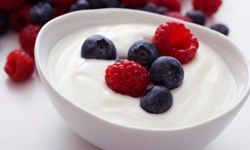
Skipping that midday slump starts with what you eat before noon. Aim for a small bite roughly three hours after you finish breakfast. This isn’t about stuffing yourself. It’s about keeping your blood sugar stable so you don’t crash before lunch.
Think of it as fuel for the gap. You need something that sits lightly in your stomach but provides enough sustenance to tide you over until you can sit down for a proper meal.
What to Grab
You don’t need a gourmet spread. Simple is better. Here are practical options that fit the bill:
- A piece of fruit. An apple or a banana works fine.
- A small fat-free yogurt. The plain kind keeps sugar intake lower.
- Low-fat cottage cheese. High protein, low guilt.
- One or two pieces of low-fat string cheese. Portable and satisfying.
The goal is consistency. Eating this way prevents the frantic hunger that leads to poor lunch choices. It keeps your metabolism humming without weighing you down.
Why Timing Matters
Hunger is a liar. If you wait too long to eat, your body starts screaming for quick energy. That usually means reaching for something sugary or heavy. A small, balanced snack interrupts that cycle. It signals to your body that food is coming, so it doesn’t hoard fat or crash your energy levels.
This strategy works because it aligns with your natural hunger cues. Most people get hungry about three hours after their last meal. By respecting that window, you stay in control. You aren’t fighting hunger. You’re managing it.
Making It Work
Keep these items in your bag or at your desk. Pre-portion them so you don’t have to think about it. When 10:30 AM hits and your stomach rumbles, you know exactly what to eat. No decisions. No guilt. Just fuel.
This approach isn’t a diet. It’s a tool. A small snack can change your entire afternoon. It clears your head. It steadies your mood. And it makes lunch feel like a choice, not a necessity born of starvation.
Try it for a week. Notice how you feel. You might find that the fog lifts. The cravings fade. And lunch becomes a pleasant break, not a frantic refuel.
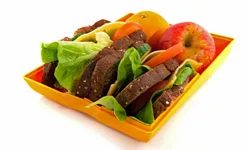
Stop waiting until the clock strikes two to eat. Aim for your lunch break to happen no later than 1:30 p.m. It’s not just about discipline; it’s about biology. Your meal needs to hit the right notes: high-quality protein, healthy fats, and clean carbs. Think of it as fuel that doesn’t spike your insulin and then crash it. If you’re curious about the specific ratios, check pages 172-174 of Fight Fat After Forty, but the principle is simple. You want steady energy, not a sugar high followed by a slump.
Escaping the Afternoon Energy Dip
Here is where most routines break down. About three hours after you eat lunch, your body enters what experts call the “CortiZone.” It sounds like a sci-fi location, but it’s just your nervous system reacting to dropping cortisol levels. Energy plummets. Mental focus evaporates. You feel foggy.
And in that fog, the urge to eat hits hard.
This is the sweet spot for stress-induced eating. You’re tired, your brain is asking for quick fuel, and a candy bar seems like the only logical answer. Don’t take the bait. Eating refined sugar now only prolongs the crash. Instead, you need high-quality, low-stress energy.
The best combo? Protein paired with carbohydrates. Try low-fat or fat-free yogurt with a piece of fruit. Cottage cheese works too. It stabilizes your blood sugar without the heavy weight of a full meal, keeping you sharp until dinner.
Dinner: Timing Is Everything
When you finally sit down to your evening meal, keep the window tight. Aim for dinner between 6:00 and 7:30 p.m. Anything later and you risk disrupting your sleep cycle and your metabolism before you even get into bed.

The 6 to 7:30 PM Window
Timing matters as much as what’s on the plate. Aim to start dinner between 6 and 7:30 p.m. It isn’t about rigid clock-watching so much as giving your body a reasonable window to digest before sleep.
A solid evening meal needs structure. Start with soup or salad to fill the tank gently. Follow that with vegetables—plenty of them—and a real source of protein. This means poultry, lean red meat, fish, legumes, or even a veggie burger if that’s your thing. Finish with mixed fruit. It’s lighter than heavy cakes or cookies and satisfies the sweet tooth without wrecking your sleep quality.
Don’t Eat Late at Night
Skipping the late-night snack isn’t just discipline; it’s biology. When you eat too close to bedtime, your body is busy processing food instead of repairing itself. That delayed digestion can disrupt deep sleep cycles. It also means you’re likely storing more energy than you’re burning, since activity levels drop when you settle in for the night.
Keep the kitchen closed once you’ve finished your 7:30 p.m. meal. If hunger strikes later, water or a weak cup of herbal tea usually does the trick. Your stomach stays empty. Your sleep stays deep. That’s the trade-off, and it’s worth it.

The 8 p.m. Hard Stop
Let’s be real about the dinner clock. Aim to have your plate cleared by 8 p.m. at least four or five nights a week. It’s a simple boundary, but the stakes feel higher when you look at the physiology. Dr. Peeke has a blunt favorite saying: “If you eat after eight, you gain a lot of weight!” It sounds harsh, but it’s rooted in the body’s shifting metabolic gears.
What if your schedule forces you to eat later? You can hack it. Eat lighter. Or better yet, eat before you sit down to dinner. Think of it as a pre-load, not a full meal, designed to keep you from grazing mindlessly. Here is the catch: your vulnerability doesn’t end at 8 p.m. That window of CortiZone sensitivity—where stress drives you to seek comfort in food—stretches all the way through midnight.
7: The Carb Cut-Off
This leads directly into the next rule: avoid complex carbs after 5 p.m.
Why 5 p.m.? It’s not arbitrary. By mid-afternoon, your body is winding down its primary digestive focus. Dumping a heavy load of complex carbohydrates—think whole grains, starchy vegetables, dense legumes—into your system when you are about to be sedentary for the next ten hours creates a mismatch. Your body isn’t burning through that energy. It’s storing it.
This isn’t about fear-mongering around pasta or brown rice. It’s about timing. Complex carbs provide sustained energy, which is fantastic during the active hours of the day when you need fuel for work, movement, and mental sharpness. But once the sun goes down and your cortisol levels naturally drop, that sustained energy becomes unnecessary baggage.
If you skip the heavy carbs in the evening, you aren’t depriving yourself. You are simply moving those calories to where they are most useful. Lunch and early dinner become your carb-heavy meals. The evening plate shifts toward proteins and fibrous, low-starch vegetables. The result? Less bloating. Better sleep. And a morning where the scale doesn’t feel like a judge.
It’s a shift in perspective. You aren’t “dieting” at night. You are just respecting the fact that your body doesn’t need high-octane fuel when it’s preparing for rest.
The old rule about not eating carbs after 5 p.m. isn’t about banning carbohydrates entirely. It’s about timing and density. Women over 40 often find their bodies process complex carbs differently as metabolism slows. Pasta, bread, potatoes, and rice are dense fuel sources. They are powerful energy reserves. Your body needs them during the day to power through work, errands, and life.
But at night? They sit heavy.
Consider these starchy foods as occasional treats rather than dinner staples. Aim for once or twice a week. Keep portions small. The goal is simple: strip your dinner of dense calories from complex carbohydrates. What used to be the foundation of every meal now belongs on the dessert menu, metaphorically speaking. Save the starch for lunch or early dinner. Let the evening plate focus on lighter, nutrient-dense options that won’t disrupt your sleep or store excess energy.
Why Evening Carbs Matter Less Now
Your insulin sensitivity changes with age. Morning and midday hours offer better windows for glucose spikes. Evening hours do not. When you eat dense carbs late, your body has less time to utilize that energy before bed. It stores it. That’s the practical reality behind the “no carbs after 5 p.m.” guideline. It’s not a judgment. It’s biology.
Replace the plate-filling starch with volume. Vegetables. Lean proteins. Healthy fats. You still get full. You still enjoy your meal. You just avoid the post-dinner crash or the lingering fullness that disrupts sleep.
8: Get Rid of Processed Sugars
This one is non-negotiable. Processed sugars are everywhere. Hidden in sauces. In “healthy” yogurts. In coffee drinks that cost more than a movie ticket. For women over 40, cutting them out is perhaps the single most impactful change you can make for hormonal balance and weight management.
Why? Because processed sugars spike insulin rapidly. And high insulin levels block fat burning. They also trigger inflammation. Inflammation accelerates aging. It makes you feel sluggish. It makes your skin look dull. It makes joint pain worse.
You don’t need to eliminate all sugar. Natural sugars in whole fruits are fine in moderation. The target is processed, added sugars. Read labels. If you can’t pronounce the ingredients, or if they end in “-ose” or “-sy,” put it back.
Start small. Switch to black coffee or tea without sugar. Use cinnamon or vanilla extract for flavor instead. Choose dark chocolate with high cocoa content over milk chocolate. These swaps add up. Your taste buds will adapt within two weeks. After that, natural sweetness tastes surprisingly rich.
The connection between processed sugars and hormonal health is direct. High sugar intake worsens insulin resistance, which is closely tied to perimenopausal symptoms like hot flashes, mood swings, and stubborn belly fat. Reducing processed sugar helps stabilize blood sugar. Stable blood sugar means stable mood. Stable mood means fewer cravings. Fewer cravings mean easier weight management.
It’s not about perfection. It’s about awareness. Notice where sugar hides. Notice how you feel after eating it. Then make a choice. A conscious one.
“Your body doesn’t need processed sugar to survive. It needs steady energy. Real food provides that. Processed sugar provides a lie.”
Cutting

Throw out the fat-free desserts. Toss the low-fat snacks hiding in the back of the pantry. They are not your friend.
You might think you’re being smart by avoiding fat. You’re not. You’re trading it for something worse. Refined sugars. Processed sweeteners. The kind that spikes your blood sugar and then crashes it, leaving you stressed and hungry again within an hour. It’s a biological trap designed to keep you eating.
Fat-free doesn’t mean healthy. It often means filled with. Fillers. Preservatives. Artificial flavors. And sugar. Lots of it. To mimic the mouthfeel that fat provides, manufacturers load these products with carbs that do nothing for your long-term satiety. They just add calories without adding satisfaction.
Why Portion Control Matters More Than You Think
Portion control isn’t about deprivation. It’s about awareness.
Most people eat until they’re full, not until they’re satisfied. And in a world of supersized meals and hidden calories, full can mean way more than you need. Portion control helps you recalibrate your hunger cues. It’s a practical skill, not a moral failing.
How to Practice Portion Control Without Obsession
-
Use smaller plates. It’s a simple trick, but it works. Your brain takes visual cues. A full plate looks satisfying. A half-full plate on a larger dish looks sparse. Switching to 9-inch plates can reduce intake by 20-30% without you even noticing.
-
Pre-portion your snacks. Don’t eat straight from the bag. Bag of almonds? Pour a handful into a small bowl. Done. That’s your portion. If you eat more, fine. But now you’ve made a conscious choice, not an unconscious habit.
-
Read labels, but trust your eyes. Serving sizes on labels are often unrealistically small. One serving of chips is rarely one chip. One serving of ice cream is often less than half a cup. Knowing this helps you adjust. If a label says two servings in the container, treat the whole thing as two portions.
-
Pause before the second helping. Wait ten minutes. Drink water. Check in with your body. Are you still hungry? Or are you just bored, stressed, or habit-driven? This pause breaks the autopilot mode.
-
Listen to your body. Hunger is a physical sensation. Fullness is a physical sensation. Boredom is not. Craving is not. Learn the difference. It takes practice.
“Portion control is not about eating less. It’s about eating what you need, and enjoying it fully.”
This isn’t about perfection. It’s about intention. When you know what you’re eating and how much, you take back control. You stop letting packaging and marketing dictate your choices.
And here’s the thing: fat-free isn’t the enemy. Excess is. Whether it’s fat, sugar, or carbs. The problem isn’t the nutrient. It’s the volume. And the context.
So next time you reach for that “diet” snack, ask yourself: Is this fuel? Or is it filler?
Your body will tell you. If it leaves you hungry an hour later, it was filler. If it keeps

You walk into a bistro. You order the pasta. It arrives. It is enormous. It looks like a meal for two people who have been fasting for a week. This is not an accident. These portions are designed for men with larger metabolisms and bigger appetites, not necessarily for the woman trying to manage her energy and weight.
At lunch, the goal is simply to eat half. Just half. Of the starch. Leave the rest. Or better yet, cut it out entirely by dinner. Dinner should be light. If you must have carbs at night, keep them minimal. One piece of bread at lunch is plenty. More than that and you are inviting trouble.
Here is the thing most people miss: timing matters. The later you eat complex carbohydrates, the more likely your body is to store them as fat. It is not about moral failure. It is about biology. Your insulin sensitivity dips as the day goes on. Your body wants to wind down, not process a mountain of rice or potatoes. So, shift your starch earlier in the day. Leave it off the dinner plate.
Hydrate or Diedrate? Why Water is Non-Negotiable
Water is not just about thirst. It is about function. Most women are chronically dehydrated and mistake that fatigue for hunger. Or exhaustion. Or just a bad day.
Drink water. All day. Start with a glass before coffee. Keep a bottle at your desk. Sip while you work. Sip while you drive. Do not wait until your mouth feels like sandpaper. By then, it is too late.
Why does this matter? Because water helps your body process the food you eat. It aids digestion. It keeps your skin looking decent. It prevents those mid-afternoon crashes that make you reach for sugar. If you are hungry at 4 PM, drink a glass of water first. Wait ten minutes. If you are still hungry, eat something small. But often, you were just thirsty.
Which water? Plain is best. Sparkling is fine. Skip the sugary drinks. They are empty calories and they spike your blood sugar faster than anything else. Water is free. It is accessible. It is the simplest tool you have. Use it.
Think about how much you drink in a typical day. Is it enough to keep your urine pale? If not, you are already behind. Start now. Not tomorrow. Now.

You’ve heard the mantra a thousand times. Drink eight glasses of water every day. It’s etched into our cultural DNA, alongside the idea that thirst is just hunger in disguise.
But is it that simple?
The advice to consume water throughout the day isn’t just about filling a bottle and chugging it before bed. It’s about consistency. The human body doesn’t operate on a bank account system where you can deposit all your hydration on Monday and withdraw it on Friday. Cells need a steady stream, not a flood.
Thirst vs. Hunger signals
Here is the part most people miss: the brain often conflates the two.
You reach for a snack. You think you’re starving. In reality, your body might just be dry. This miscommunication happens because the hypothalamus regulates both hunger and thirst using overlapping signals. By the time you consciously feel “thirsty,” you are already mildly dehydrated. By the time you feel “hungry,” you might have been thirsty for hours.
This doesn’t mean you should never eat. But it does mean you should pause before grabbing those chips. Drink a glass of water. Wait ten minutes. If the craving persists, eat. If it vanishes, you just solved your hunger with H2O.
The eight-glass target
The standard recommendation is eight 8-ounce glasses. That equals two liters, or roughly half a gallon.
It’s a round number for a reason. It’s easy to remember. It’s easy to track.
- Glass 1: Upon waking
- Glass 2: With breakfast
- Glass 3: Mid-morning
- Glass 4: With lunch
- Glass 5: Afternoon
- Glass 6: Late afternoon
- Glass 7: With dinner
- Glass 8: Early evening
This rhythm ensures you aren’t waking up in the middle of the night to use the bathroom, which disrupts sleep cycles. It keeps your skin plump. It helps your kidneys filter waste. It keeps your energy levels from dipping in the afternoon slump.
Not just for weight loss
While staying hydrated can help curb unnecessary snacking, the benefits go deeper.
Dehydration causes fatigue. It causes brain fog. It makes exercise harder. When your blood volume drops, your heart has to work harder to pump oxygen to your muscles. You feel tired. You feel sluggish. You reach for caffeine.
Caffeine is a diuretic. You pee more. You lose more water. You drink more caffeine.
It’s a loop. Breaking it starts with water.
Where to find more from Dr. Peeke
If you want to dive deeper into the science of how our bodies respond to stress, aging, and daily habits, Dr. Peeke breaks it down without the jargon.
Visit drpeeke.com for her latest insights, research-backed tips, and a more comprehensive look at wellness beyond just water.
Other ways to hydrate
You don’t have to drink plain water exclusively.
- Fruits and vegetables: Cucumbers, watermelon, and celery are over 90% water.
- Herbal teas: Caffeine-free options count toward your total.
- Broths: Bone broth provides