History doesn’t just happen. It gets written by people who refuse to stay put. We often look for women in the margins of history, but sometimes they are right there in the cockpit. Pushing boundaries. Rewriting what is considered possible.
When we ask how women changed the course of human exploration, the answer isn’t a slow drift. It was a rocket launch.
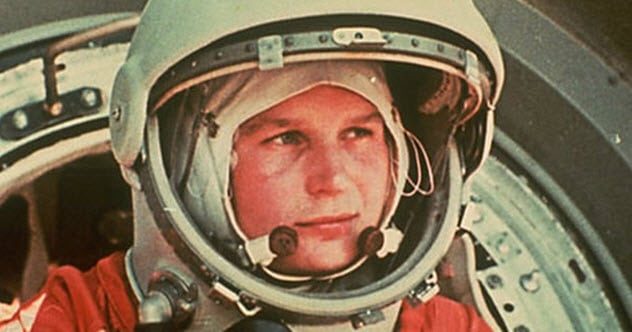
Why Valentina Tereshkova Remains The Pioneer Of Female Spaceflight
Most people know Yuri Gagarin. He was first. But the sky didn’t belong to men alone for long. Not even a year later.
Valentina Tereshkova changed the game.
Born in 1937 in the Yaroslavl region of the Soviet Union, she wasn’t some aristocrat with connections. She was a textile factory worker. A skydiver. She applied for the Soviet space program on a whim, inspired by Gagarin’s flight. She got in.
In June 1963, she launched on Vostok 6.
She became the first woman in space.
It wasn’t just a symbolic gesture. It was a brutal, physical endurance test. She orbited the Earth 48 times. She spent nearly three days up there. The Soviets wanted to prove their space program was superior, and they needed a narrative that resonated globally. A mother. A worker. A hero.
The launch proved that space travel wasn’t limited by gender, only by courage and rigorous training.
After landing, the fame was instant. She toured the world. She collected medals. But the real legacy isn’t the awards. It’s the fact that she made it so the next generation didn’t have to ask for permission to dream big.
Why does this matter now? Because every time we look at a female astronaut today, we are looking at a path Tereshkova cleared. She didn’t just fly. She broke the ceiling.
The woman who literally saved Apollo 11
You know the story. The moon landing. The giant leap for mankind. But there was a moment, right before the Eagle touched down, where everything almost went wrong. A computer alarm started flashing. Code 1202. The onboard system was choking on data. It was about to shut down.
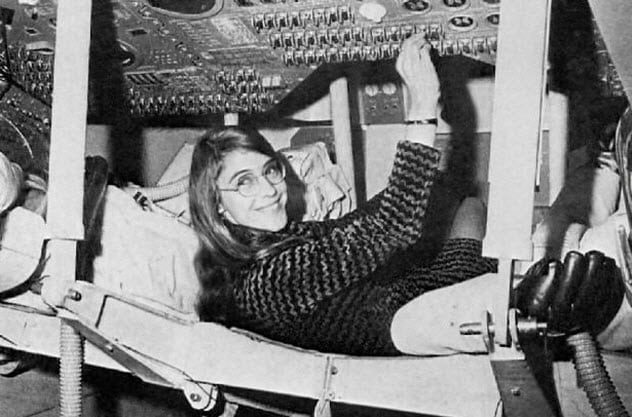
Enter Margaret Hamilton.
Born in Paoli, Indiana, back in August 1936, she wasn’t just some background coder. She was the one calling the shots at MIT’s Instrumentation Lab. She led the software engineering team for both Apollo and Skylab. While everyone else in Mission Control was panicking, watching those error codes blink, Hamilton knew what to do.
The computer was overloaded, but it wasn’t broken. It was just busy.
She had designed the system with this specific failure mode in mind. Her code prioritized critical flight tasks over non-essential ones. When the alarm went off, her software kept the essential systems running. It ignored the noise. It let the landing continue.
Without her software architecture, that mission likely would have failed. Or worse.
We tend to think of 1960s tech as hardware-heavy. Big mainframes. Punch cards. But Hamilton proved that software is just as vital. She defined the field of software engineering before most people even knew the term existed.
Why does this matter to you? Because it reminds us that the “invisible” work often holds everything together. The quiet leadership. The careful planning for things that might go wrong. Hamilton didn’t just fix a bug. She built a safety net that caught an entire generation of dreams.
She didn’t shout. She didn’t need to. Her code spoke for itself.
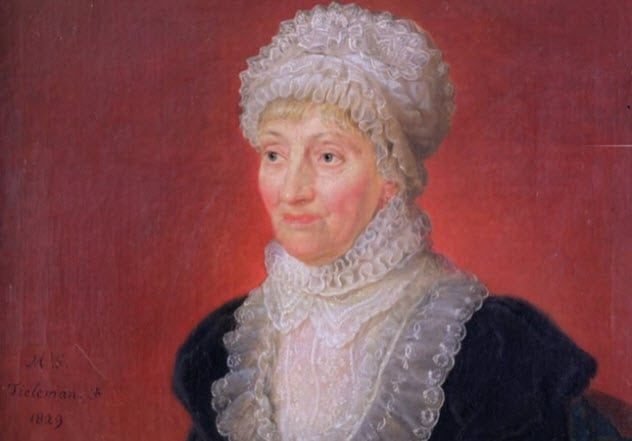
Caroline Herschel ve Gökyüzündeki İzleri
1750’de Almanya’da doğan Caroline Herschel, tarihin akışını sadece katılan biri değil, yön değiştiren bir isim. Karanlıkta parlayanları bulan ilk kadın bilim insanı olarak biliniyor. Sadece bir başlık değil, bu ifade bir devrim.
Kuyruklu yıldız keşfeden ilk kadın bilim insanı unvanı, onun sadece gözlemci değil, öncü olduğunu kanıtlar. Ama işin içi daha karmaşık, daha derin. Kardeşi William Herschel ile omuz omuza çalıştı. Bu işbirliği, gökyüzünün haritasını çizen en önemli adımlardan biri oldu.
2500’den fazla nebula ve yıldız kümesini tanımlamak, kağıt üzerinde bir sayı gibi görünebilir. Ama her biri, evrenin derinliklerine açılan bir pencere. Caroline, bu pencereleri tek tek açtı. Sabır gerektiren bir işti. Saatlerce teleskopun arkasında beklemek, gözleri yılmak, not almak. Ve sonra o anın gelmesi: bir noktanın hareket ettiğini fark etmek.
“Bilim, sadece erkeklerin alanı değil, merak eden herkesin alanı.”
Caroline Herschel’in hikayesi, modern kadına şunu hatırlatır: İlgi alanın ne olursa olsun, kalıcılık ve tutku ile her kapı açılabilir. Güzellik, moda, ilişkiler… Hepsi farklı alanlar. Ama hepsinde aynı şey geçerli: Kendi yolunu çizmek, başkalarının çizdiği şeritlerde koşmak değil.
Nasıl mı? Önce merak et. Sonra ara. Sonra yap.
Andree de Jongh and the Comet Line
You know the name Andree de Jongh. Or at least you should. She wasn’t just a participant in the resistance. She was the engine. The leader of the Comet Line during World War II. That name alone tells you everything about her operation. Fast. Discreet. Lethal to the Nazis.
Her job was terrifyingly simple. Rescue Allied soldiers. Mostly pilots who had bailed out over Nazi-occupied countries. France, Belgium, the Netherlands. Places where staying put meant capture or death. She didn’t just hide them. She moved them. Across borders. Over the Pyrenees. Into Spain. Then to Britain.
It wasn’t a solo act, sure. But she organized it. She built the network. She decided who moved, when, and how. The Comet Line saved over 800 airmen. Think about the logistics of that. Hiding men in plain sight. Smuggling them through checkpoints that were designed to catch exactly what she was carrying. One wrong look. One suspicious whisper. Game over.
She did it anyway.
Why? Because she had to. Because the people behind her were counting on her. Because there was no other way out for these soldiers. It wasn’t a strategy meeting in a safe house with a map spread out. It was gut instinct, forged in fear, executed with precision.
“The Comet Line was not an army. It was a family of strangers bound by a single, desperate purpose.”
Andree didn’t wear a uniform. She wore civilian clothes. She looked like anyone else. That was her armor. Her invisibility. She navigated a world where the ground itself was enemy territory. Every step was a calculation. Every conversation a potential trap.
It’s easy to romanticize resistance. Harder to grasp the daily terror of it. The sleepless nights. The constant fear of betrayal. She carried that weight. For years. Until the war ended. Until the lines were crossed. Until the pilots were home.
She didn’t ask for glory. She asked for survival. For them. For herself. For the fragile thread of hope she kept spinning in the dark.
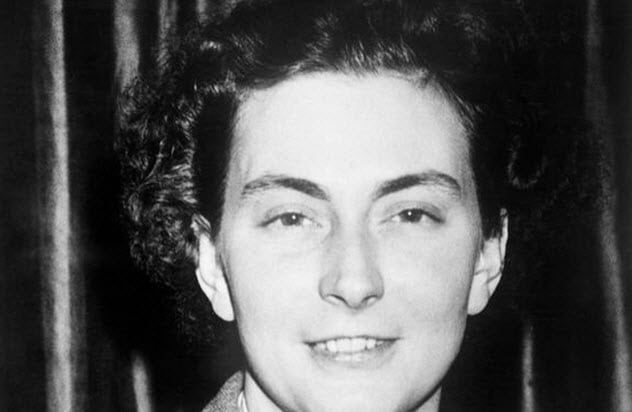
The woman who made peace possible
Most people know the name, but few grasp the sheer audacity of it. Bertha von Suttner wasn’t just a participant in the peace movement. She was the spark. Born in Prague on June 9, 1843, she grew up in a world that viewed war as inevitable. A necessary evil. A fact of life like rain or taxes.
She refused to accept that.
Her path wasn’t a straight line. It was messy, filled with personal struggle and societal pushback. But she pushed through. She became the first female peace activist to truly matter on a global scale. Not a footnote. Not a sidekick. The main character.
Why does this matter today? Because we still struggle with the idea that violence is optional.
Bertha proved it wasn’t. She wrote, she spoke, she organized. And then, in 1905, history tilted. She became the first woman to win the Nobel Peace Prize. It wasn’t just a trophy. It was validation. For her, and for every woman who had ever been told to stay quiet about things that mattered.
There is a quote of hers that hits hard, even now.
“Dünyadan savaşların tümüyle ortadan kalkması olasılığını düşünmek bile hayaldi.”
Think about that. To even imagine a world without war was considered a dream. A fantasy. She didn’t just dream it. She worked for it.
We tend to romanticize historical figures. We put them on pedestals. But Bertha was real. She faced skepticism. She faced indifference. She faced the rigid gender norms of the 19th century. And she kept going.
How do you start a movement? You start by believing the impossible is possible. You start by refusing to accept the status quo. You start by speaking up, even when your voice shakes.
Her legacy isn’t just the prize. It’s the shift in consciousness. Before her, peace was a nice idea. After her, it was a demand.
It’s easy to look at modern activism and feel overwhelmed. The problems seem too big. Too entrenched. But remember Bertha. She looked at the machinery of war and said, “No more.”
You don’t need a Nobel Prize to change your corner of the world. You just need the stubbornness to keep trying.
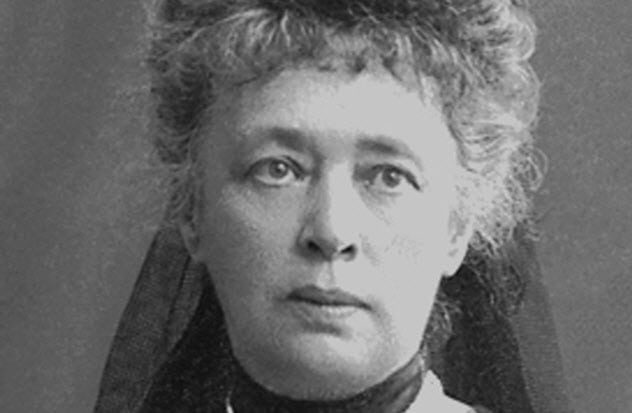
How Truus and Freddie Oversteegen outsmarted the Nazis with a lethal ruse
History books love the soldier with the gun. They skip the couple who used charm as a weapon. Truus and Freddie Oversteegen didn’t carry rifles. They carried secrets. And traps.
During World War II, this Dutch couple became the resistance’s most dangerous bait. Their method? Pure, cold manipulation. They didn’t fight fair. They didn’t fight from afar. They invited the enemy in close.
The most effective trap is the one the hunter walks into willingly.
Here is how it worked. It wasn’t magic. It was psychology.
Truus, known as “Tante Truus” (Aunt Truus) to the locals, had a reputation. She was friendly. Approachable. The kind of woman you didn’t suspect. She used that image to lure Nazi officers and collaborators. Men who thought they were safe. Men who thought they were untouchable.
She’d strike up a conversation. Offer a drink. Maybe a hint of romance. The details are hazy, but the result wasn’t. The men followed her. Or Freddie.
They were led away from the safety of occupied towns. Into the woods. Into the dark.
Once isolated, the Oversteegens signaled the resistance fighters waiting in the shadows. The men were disarmed. Neutralized. Sometimes killed. Sometimes captured for intelligence. The outcome depended on the target, but the message was always the same: You are vulnerable.
This wasn’t just bravery. It was a specific, calculated strategy. Why did it work? Because the Nazis underestimated women. They underestimated locals. They assumed compliance.
The Oversteegens weaponized that assumption.
- The Lure: Truus’s social grace lowered guards.
- The Isolation: Moving targets to remote forests removed backup.
- The Strike: Resistance fighters executed the takedown with precision.
Was it easy? No. It was terrifying. Every smile was a potential execution. Every date a death sentence for someone else. But they did it. Repeatedly.
We often think of resistance as big battles or bomb plots. It can be. But sometimes it’s a whisper in a dark room. A hand on a shoulder leading you toward a grave.
The Oversteegens didn’t just survive the occupation. They turned the occupiers’ arrogance against them. They proved that you don’t need an army to change the tide. You just need the right lie. And the courage to tell it.
People ask how ordinary citizens can fight tyranny. This is one answer. Not the loudest. But one of the most effective. They used the tools they had. Trust. Deception. The woods behind their house.
It’s a reminder that power isn’t always visible. Sometimes it’s hiding in plain sight. Smiling at you.
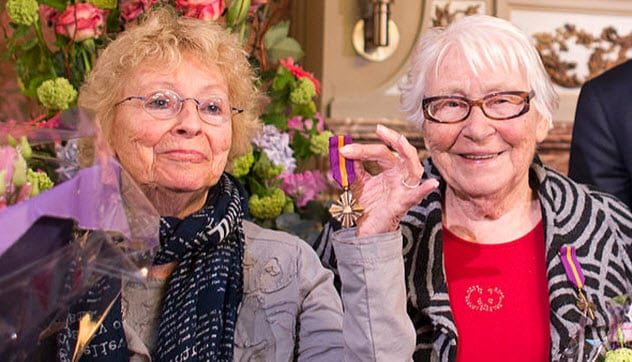
The Only Woman to Earn the Medal of Honor
History books usually get this part wrong. Or at least, they leave the loudest voice out. Meet Dr. Mary Edwards Walker. She wasn’t just a participant in the American Civil War. She was the surgeon who refused to stay on the sidelines when the front lines moved.
Here is the fact that stops most people cold. She is the only woman in American history to receive the Medal of Honor.
That isn’t a participation trophy. It is the highest military decoration in the United States. And she earned it not by fighting with a rifle, but by operating on the wounded under fire. She volunteered as a surgeon. She didn’t wait for permission. She just went.
Why Her Story Matters for Modern Women
Why do we talk about her now? Because she broke rules that didn’t even have names yet. She wore pants. In the 1800s. That was a crime in some places. She treated Confederate prisoners of war. People called her a traitor for showing mercy to the enemy.
She didn’t care.
Her legacy isn’t just about war. It’s about refusing to be told who you can be. She practiced medicine when women weren’t welcome in hospitals. She marched through battlefields when women weren’t supposed to see blood.
She proved that courage doesn’t have a gender.
If you are feeling pushed back by limits that feel outdated, look at Walker. She didn’t ask for a seat at the table. She built her own table in the middle of a battlefield.
Practical takeaway? Don’t wait for the system to include you. Step into the gap. Do the work. Let the records catch up later.
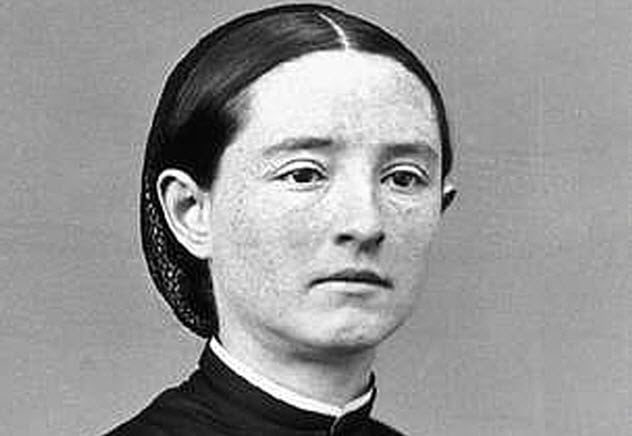
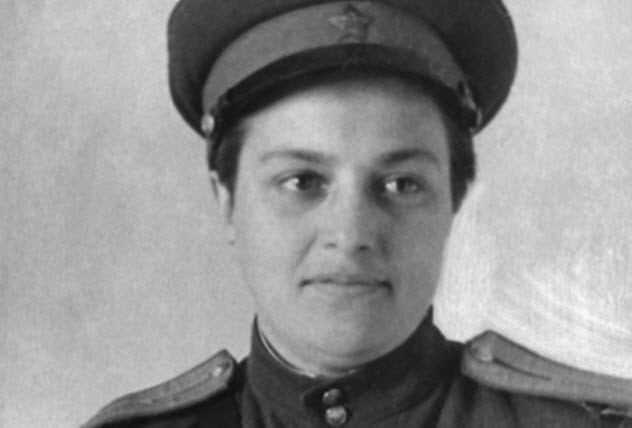
How Lyudmila Pavlichenko became the deadliest female sniper in history
Lyudmila Pavlichenko didn’t start out as a myth. She started as a law student in Odessa. Then the war came.
She volunteered.
Most people assumed she’d be assigned to logistics. Or nursing. The military had different plans, or perhaps she just refused to be sidelined. She trained as a sniper.
The numbers are hard to swallow. 309 confirmed kills.
That makes her the most successful female sniper in military history. Not close. No one else comes near that tally.
“To be a good shot, I had to be like a stone.”
She wasn’t just shooting. She was hunting.
Pavlichenko didn’t just wait for targets. She moved. She flanked. She used the terrain. She became so effective that German forces issued orders to kill any Soviet woman on sight. The war got personal, fast.
Why does this matter today?
Because it shatters the idea that combat is inherently masculine. It shows skill outweighs biology. It shows precision beats brute force.
She survived the siege of Odessa. She fought in Sevastopol. She even met with Franklin D. Roosevelt in 1942. He asked her why she wanted to shoot so many Germans. Her answer was simple.
“I love my country.”
She didn’t romanticize the violence. She recorded it. Every shot. Every breath.
People ask if it was easy. It wasn’t. She lost friends. She lost sleep. But she kept aiming.
The legacy isn’t just in the kill count. It’s in the refusal to be invisible.
She walked into rooms where women weren’t expected. She sat at tables where women were told to sit elsewhere. And she made them look.
Not for glory. For survival.
Her story reminds us that capability doesn’t announce itself. It shows up. Quietly. Lethally. Unapologetically.
You don’t need permission to be dangerous. You just need the skill. And the will.
Pavlichenko had both.

Hatshepsut didn’t just rule. She erased the record of it
Here is the thing about Hatshepsut. She was the first female pharaoh of Ancient Egypt. Not a regent. Not a figurehead. The actual boss.
You’d think that would be enough.
It wasn’t.
After she died, her successors tried to scrub her name from history. They chipped her face off statues. They defaced her monuments. Why? Because a woman holding that kind of power broke the script. And the people who came after her couldn’t handle it.
Power doesn’t vanish when you die. It gets rewritten.
She built trade routes. She brought wealth. She ruled for decades. But the narrative shifted. For centuries, historians barely mentioned her. We only know she existed because archaeologists were stubborn. They found the pieces. They put them back together.
It’s a reminder. Your impact isn’t always what’s recorded. It’s what survives the attempt to destroy it.
Zheng Shi didn’t fight the system. She bought it
Move to 17th-century China. Meet Zheng Shi.
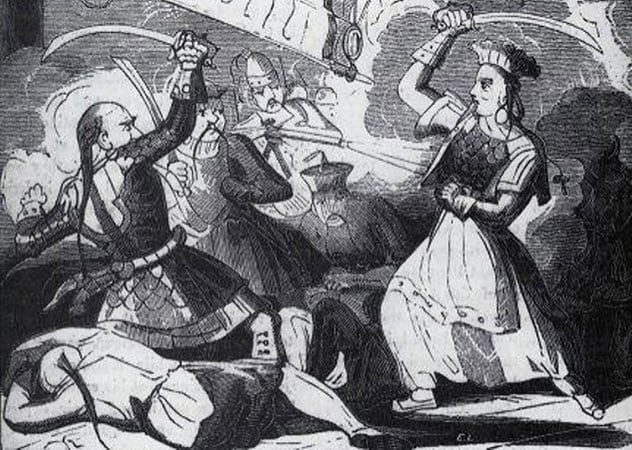
She wasn’t a queen. She was a pirate. And not the cartoon kind with the eye patch. She commanded the world’s most successful pirate fleet. The Red Flag Fleet.
Most stories about women in history are about resistance. Hers is about leverage.
She married a fellow pirate, Zheng Qi. When he died, she didn’t retire. She took over. The Chinese government wanted to crush the fleet. They tried bribes. They tried armies. It didn’t work.
So she negotiated.
She offered the emperor a deal. She’d stop the raids. In exchange, she wanted legal status, land, and a noble title. The emperor agreed.
She dissolved the pirate confederacy. She gave her 20,000 crew members jobs in the navy or as fishermen. She became a wealthy, legitimate noblewoman.
How did she do it?
Discipline. She ran her fleet like a military operation. She enforced strict rules. She demanded loyalty. She knew that chaos doesn’t pay the bills. Order does.
She didn’t just win battles. She won the peace. And she did it on her terms.
Which matters more? The title you’re given or the control you keep?
Hatshepsut had the title. Zheng Shi had the control. Both women understood one thing. The world tries to minimize you. You have to maximize your presence.
Nene Hatun and the Battle of Aziziye
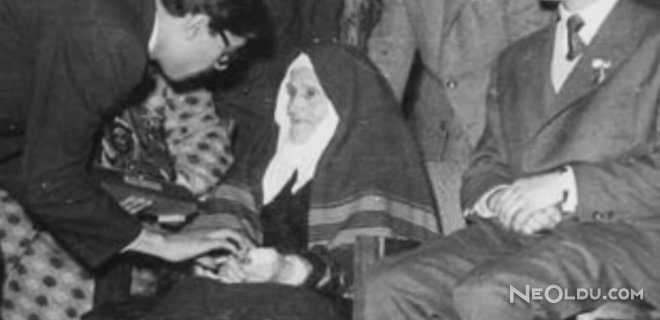
The name Nene Hatun doesn’t just sit in history books. It burns.
She wasn’t a soldier by trade. She was a mother. A farmer. A woman who knew how to plant wheat and raise children. But when the Russians pushed into the Ottoman lands during the Russo-Turkish War of 1877-1878, the front line came to her door. Specifically, to the Aziziye Fort in Erzincan.
Here is the thing most people miss.
Nene Hatun didn’t just watch. She didn’t stay home to bake bread while men died. She joined the defense. She fought.
“My child can live without a mother, but he cannot live without a country.”
That quote gets plastered on posters. It’s iconic. But it’s also terrifyingly practical. It wasn’t high philosophy. It was a survival calculation. If the country fell, the family would scatter. The land would be taken. The children would have no home. So she picked up a rifle. She held the line.
This is the Aziziye Fort defense.
It’s a specific moment. October 1877. The Russians were advancing. The Ottoman garrison was thin. The civilians stepped in. Nene Hatun led them. Women, old men, anyone with strength to carry a weapon or dig a trench. They held the fort for days. They bought time. They made the cost of victory too high for the enemy to ignore.
Why does this matter today?
Because we often sanitize war. We make it about generals and maps. We forget the dirt under the fingernails. The hunger. The specific, sharp fear of a mother watching her world shrink.
Nene Hatun represents the home front weaponized. Not metaphorically. Literally.
Her story isn’t about bravery in the abstract. It’s about choice. She chose the collective survival over individual comfort. She understood that a roof means nothing if the ground beneath it belongs to someone else.
Modern women read this and see a reflection. Not because we are holding rifles, but because we are constantly balancing the private and the public. The family and the community. The self and the other.
Nene Hatun didn’t balance it nicely. She smashed the choice open.
She showed that patriotism isn’t always a flag. Sometimes it’s a woman standing in a trench. Sometimes it’s a decision to protect the future of your child, even if it costs you everything in the present.
We remember her name. Nene Hatun. “Grandmother Hatun.”
It’s a title of respect. But it’s also a reminder. The people who hold the line aren’t always the ones in uniform. Sometimes, they are the ones who know what they are fighting for.
The Real Cost of ‘Having It All’
Let’s talk about the lie. The one sold in glossy magazines and polished Instagram feeds. That you can sprint to the corner office while simultaneously baking sourdough, managing the household logistics, and maintaining a skincare routine that defies physics. It’s a trap. And most of us are running right into it.
The modern woman isn’t broken because she can’t do it all. She’s exhausted because she’s trying.
Why Multi-Tasking Is a Myth
We’ve been conditioned to believe that efficiency is a virtue. That juggling five balls in the air while answering emails is a badge of honor. But neuroscience says otherwise. Your brain doesn’t actually multi-task. It switches tasks. Rapidly. And each switch costs you cognitive energy.
So when you’re trying to debug a spreadsheet while also planning dinner and comforting a crying toddler, you aren’t being productive. You’re fracturing your attention. The result? More errors. Less joy. Higher cortisol.
Stop trying to be a machine. Start being a human who needs focus blocks.
Setting Boundaries Without the Guilt
This is the hard part. Not the doing. The not doing.
Saying no feels like a betrayal. Of your family. Of your job. Of the idealized version of yourself. But here is the truth: if you say yes to everything, you say yes to nothing with any real quality.
“Rest is not the reward for productivity. It is the prerequisite for it.”
Start small. Maybe it’s leaving the house at 5:30 PM instead of 6:00 PM. Maybe it’s ordering takeout on Tuesday. Maybe it’s turning off Slack notifications after dinner. These aren’t failures. They are strategic withdrawals. They preserve your sanity for the things that actually matter.
The ‘Good Enough’ Revolution
Perfectionism is expensive. It costs time, money, and peace of mind. And for what? So the laundry looks like a store display? So the meal is Instagram-worthy?
Embrace the “good enough.” The slightly wrinkled shirt. The frozen veggies. The messy house. Life is happening in the mess. Not in the sterile void of perfection.
Let your children eat cereal for dinner. Let your partner handle the dry cleaning. Let your inbox sit unread for a weekend. The world will not end. In fact, it might just get better.
Redefining Success on Your Terms
Who decided that success looks like a title, a salary, and a Pinterest-perfect home? You did? Or was it handed down like a family heirloom?
Success should be measured in moments. In laughter. In quiet mornings. In the ability to look at your reflection and like who you see. Not because she’s flawless. But because she’s real.
Stop comparing your behind-the-scenes to everyone else’s highlight reel. It’s a losing game.
The Power of Community
You don’t have to do this alone. In fact, you shouldn’t.
Lean on your friends. Your family. Your colleagues. Share the load. Ask for help when you’re drowning. It’s not weakness. It’s wisdom.
Build a tribe that gets it. That doesn’t judge your messy kitchen or your tired eyes. That celebrates your small wins and holds you up when you