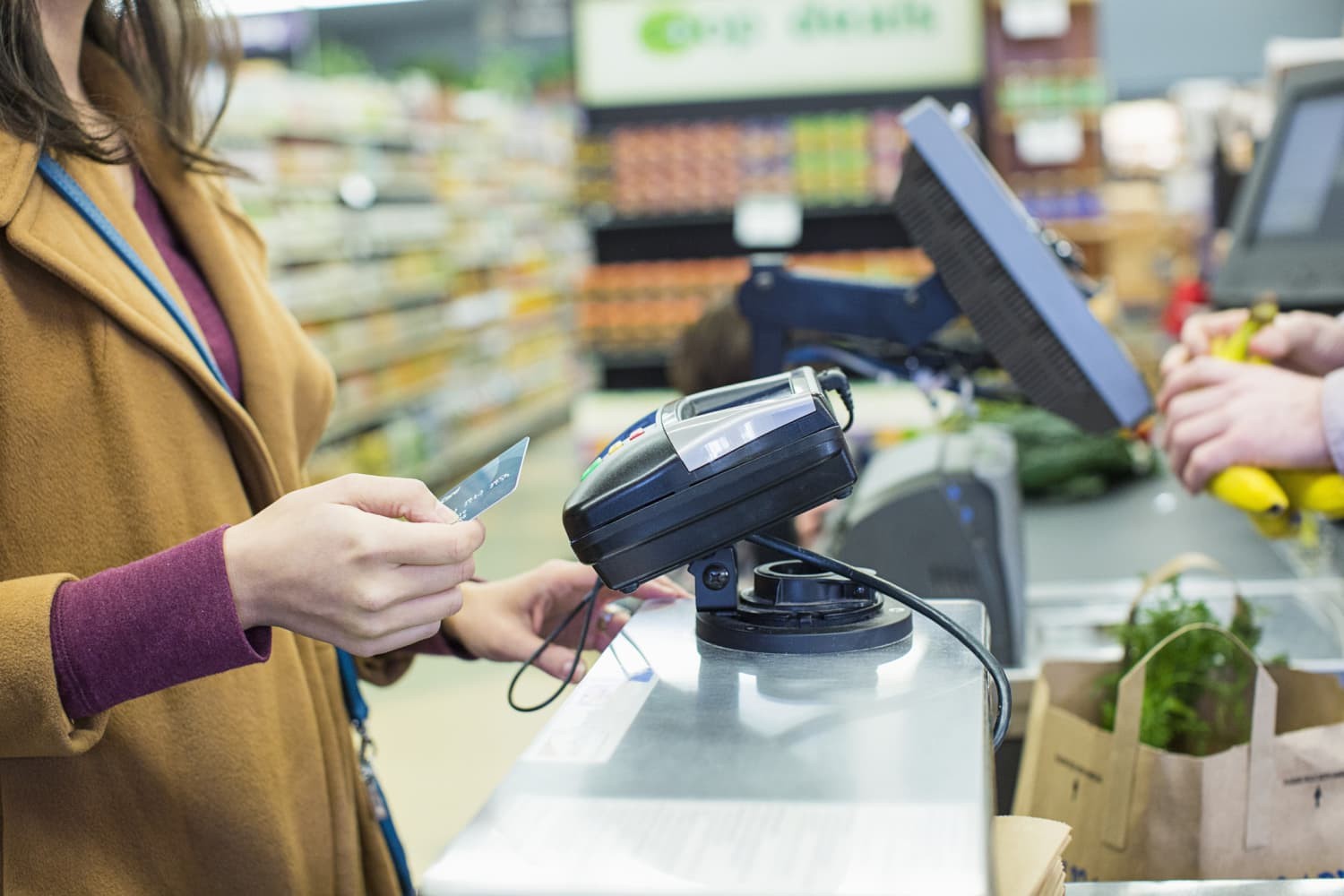
For many shoppers, the struggle to balance a grocery budget has become a daily reality. Despite coupons and strategic planning, the cost of basic pantry staples continues to climb. While inflation has been a persistent issue, recent geopolitical instability—specifically the conflict involving Iran and the resulting disruptions in the Strait of Hormuz —is adding a new layer of complexity to global food security.
The disruption in this critical maritime passage has caused shipping volumes to drop by nearly 97%. While much of the cargo passing through the Strait is fuel, the “domino effect” of these disruptions is felt far beyond the gas pump, eventually reaching the supermarket aisles in the United States.
The Fertilizer and Fuel Connection
The primary driver of food price volatility in this context isn’t necessarily the food itself, but the inputs required to produce and move it.
The Strait of Hormuz is a vital corridor for more than just oil; it is a transit point for bulk goods, including grains and, crucially, fertilizers. As shipping through the Strait falters, fertilizer supplies are tightening. This creates a multi-step crisis for the food supply chain:
- Increased Input Costs: Farmers face higher prices for fertilizers and fuel needed to operate machinery.
- Lower Crop Yields: If fertilizer shortages persist (the FAO warns of a potential 15–20% price hike), farmers may produce less wheat, rice, corn, and soybeans.
- Higher Livestock Costs: Because much of these grains are used as animal feed, a shortage or price hike in crops leads directly to more expensive meat and dairy.
- Logistics Surcharges: Fuel-related costs can account for 15% to 30% of the total cost of food. When energy prices rise, the cost of refrigeration and long-haul transportation follows suit.
Which Groceries Will Hit Your Wallet Hardest?
According to recent data from the USDA and the FAO, food prices are moving in lockstep with energy costs. While some items may see relief, several categories are expected to outpace historical inflation averages through 2026.
📈 The Rising Costs
- Beef and Veal: This category is seeing the most significant pressure. The meat industry is uniquely sensitive to energy costs because fuel is required for growing feed, raising livestock, and maintaining the “cold chain” (continuous refrigeration) from farm to store.
- Fresh Vegetables and Fruits: While much of the U.S. supply is sourced locally or from Mexico, the rising cost of fuel for transport will likely drive up prices, particularly for imported varieties.
- Sugar and Sweets: Expect higher prices for chocolate and confectionery as processing and ingredient costs rise.
- Nonalcoholic Beverages: Soda and other drinks are seeing steady upward trends due to manufacturing and distribution costs.
📉 The Exception: Eggs
In a rare bit of good news for budget-conscious shoppers, egg prices are projected to decrease significantly (by as much as 29.4%). This is attributed to a recovery in production following previous bird flu outbreaks, leading to a healthier supply that meets current demand.
Shifting Consumer Habits
As prices rise, experts suggest that consumer behavior is undergoing a fundamental shift. Because many Americans have felt the sting of inflation since 2020, they are becoming increasingly price-sensitive.
“I expect people will substitute with lower-quality foods (giving up steak for hamburger) and look for sale items or store brands,” notes Professor Carolyn Dimitri of NYU.
This trend often manifests in several ways:
* Brand Switching: Moving from name brands to generic or store brands.
* Store Shifting: Moving shopping trips to discount retailers like Aldi.
* Dietary Downsizing: Cutting back on “luxury” food items, such as treats or high-end meats, in favor of cheaper proteins.
Looking Ahead
Even if a diplomatic resolution to the conflict in the Middle East is reached, a rapid return to “normal” prices is unlikely. Markets require time to adjust to new supply chain realities, and the long-term stability of the Strait of Hormuz remains uncertain. For now, shoppers should prepare for continued volatility and may need to rely more heavily on local sourcing and strategic substitution to manage their household expenses.
Conclusion: The conflict in the Middle East impacts food prices through a complex chain of fuel, fertilizer, and freight costs. While eggs may offer temporary relief, consumers should prepare for sustained price increases in meat, produce, and processed goods.