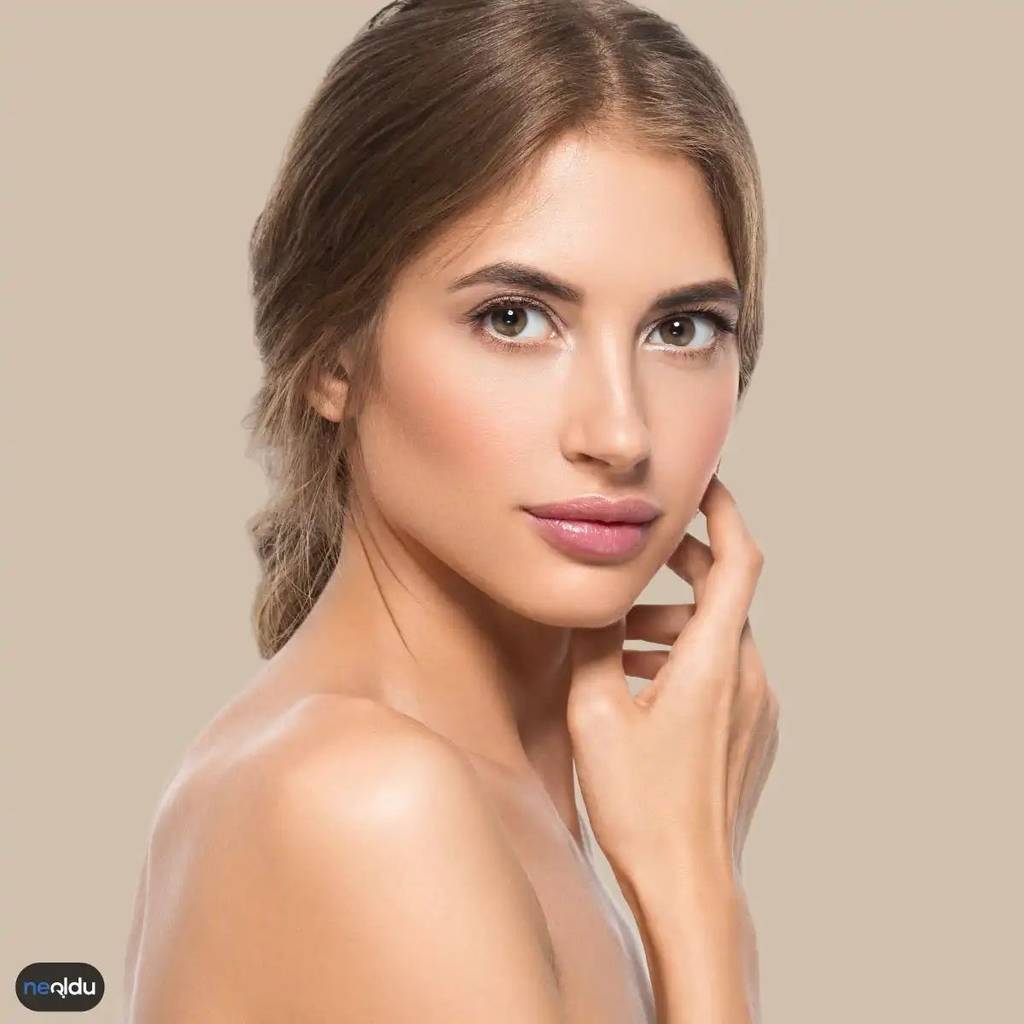
Your skin has a surface color. Then it has a deeper, hidden hue. Most people focus on the former—the tan, the paleness, the freckles. But the real magic happens underneath. That is your undertone. It dictates whether your gold jewelry looks expensive or cheap. It decides if that “nude” lipstick makes you look sick or glowing. And it matters more than your actual skin shade.
We wear cool, warm, or neutral vibes whether we know it or not. Ignoring this distinction leads to wasted money on mismatched clothes and makeup that fights your natural complexion. Let’s fix that. Here is how to figure out what you actually are, so you stop guessing and start glowing.
The Truth About Skin Undertones
Let’s clear up a common misconception right now. Your undertone has nothing to do with how dark or light your skin is. A person with deep, dark skin can have cool undertones. A very fair person can burn easily but still have warm undertones. It is not about melanin levels. It is about the pigments beneath the surface.
There are generally three categories:
- Cool: Pink, red, or bluish hints.
- Warm: Yellow, peachy, or golden hints.
- Neutral: A mix of both, or neither.
This subtle difference changes everything. It is why some colors make you look awake and others make you look drained. It is the single most important factor in achieving harmony between your hair, your clothes, and your makeup.
Why Does Your Undertone Matter?
You might be thinking, “Can’t I just wear what I like?” Sure. But have you ever bought a dress that looked amazing on the hanger, only to realize it washed you out when you put it on? That is often an undertone clash.
When your clothing colors clash with your undertone, your skin can look sallow, gray, or tired. Conversely, when you align your palette with your natural undertone, your complexion looks brighter. Your eyes pop. You look healthier without trying. It is not about vanity. It is about working with your biology, not against it.
“Your undertone is the constant. Your skin tone changes with the seasons, with stress, with sun exposure. Your undertone stays the same.”
This stability is why it is so useful. You can use it as a baseline for decision-making.
How to Determine Your Undertone
You don’t need a professional esthetician for this. You can do it at home with natural light. Stand near a window. Look at your wrist veins. Look at how your skin reacts to metal.
- The Vein Test: Look at the veins on the inside of your wrist. If they look blue or purple, you likely have cool undertones. If they look green or olive, you are probably warm. If they look blue-green or you can’t tell, you might be neutral.
- The Jewelry Test: Does silver look better on your skin? Cool. Does gold look better? Warm. If both look good, you are likely neutral.
- The White Paper Test: Hold a pure white piece of paper next to your face in natural light. If your skin looks yellow or peach
Soğuk, Sıcak ve Nötr: Cildinizin Gerçek Kimliği Nedir?
Cilt alt tonu, yüzünüze sürdüğünüz fondötenin renginden çok daha derin bir konu. Bu, cildinizin altında yatan, genetik olarak belirlenen pigmentlerin renk skalasıdır. Renk değil, ton. Ve bu ayrım, makyajınızın düzgün durup durmayacağını, bakım rutininizin işe yarayıp yaramayacağını doğrudan etkiler.
Peki, alt tonlar neden bu kadar tartışmalı? Çünkü çoğu insan kendi cilt rengiyle alt tonunu karıştırıyor. Bronz bir teniniz olabilir ama alt tonunuz soğuk olabilir. Açık tenliyseniz ve alt tonunuz sıcak, bu da tamamen farklı bir makyaj stratejisi gerektirir. Üç ana kategori var: Soğuk, Sıcak ve Nötr. Hangisinde olduğunuzu bilmek, yanlış ürün harcamanızı engeller.
Neden Yanlış Alt Ton Seçimi Cildinizi Soluk Gösterir?
Doğru alt tonu bulduğunuzda, makyajınız cildinizle bütünleşir. Yanlış seçerseniz, maskelenmiş gibi görünürsünüz. Cildiniz soluk, hatta biraz gri ve cansız bir tonda olabilir. Bu, sadece estetik bir sorun değil, aynı zamanda kendinizi tanımlamada da hata yapmanıza neden olur.
Alt tonunuzu bilmeden fondöten seçmek, yanlış ayakkabı giymek gibidir. Rengi doğru olsa bile, uyumsuzluk hissedersiniz. Bu nedenle, doğru cilt alt tonunu belirlemek sadece bir “tavsiye” değil, temel bir adımdır.
Hangi Alt Ton Sizdesiniz? Pratik Testler
Alt tonunuzu anlamak için birkaç basit, kanıtlanmış yöntem var. Bunları doğal ışıkta yapmanız en doğrusu.
1. Damar Testi
Bileğinizin iç kısmına bakın. Işıkta damarlarınızın rengi size ipucu verebilir.
– Mavi veya mor damarlar: Soğuk alt ton.
– Yeşil tonları: Sıcak alt ton.
– Ne mavi ne yeşil, ikisinin karışımı: Nötr alt ton.
Bu test her zaman %100 doğru olmasa da, bir başlangıç noktası sağlar.
2. Kumaş Testi (Altın vs. Gümüş)
Jüpiter takılarınızı çıkarıp, yüzünüze yakın iki farklı renkli kumaş tutun. Bir beyaz, bir de krem rengi. Ya da doğrudan takı deneyin.
– Gümüş takılarınız daha iyi duruyor mu? Soğuk alt ton.
– Altın takılarınız parlıyor mu? Sıcak alt ton.
– İkisi de uyumlu mu? Nötr alt ton.
Bu test, özellikle makyaj renkleri seçiminde büyük bir fark yaratır. Soğuk alt tonlular genellikle m
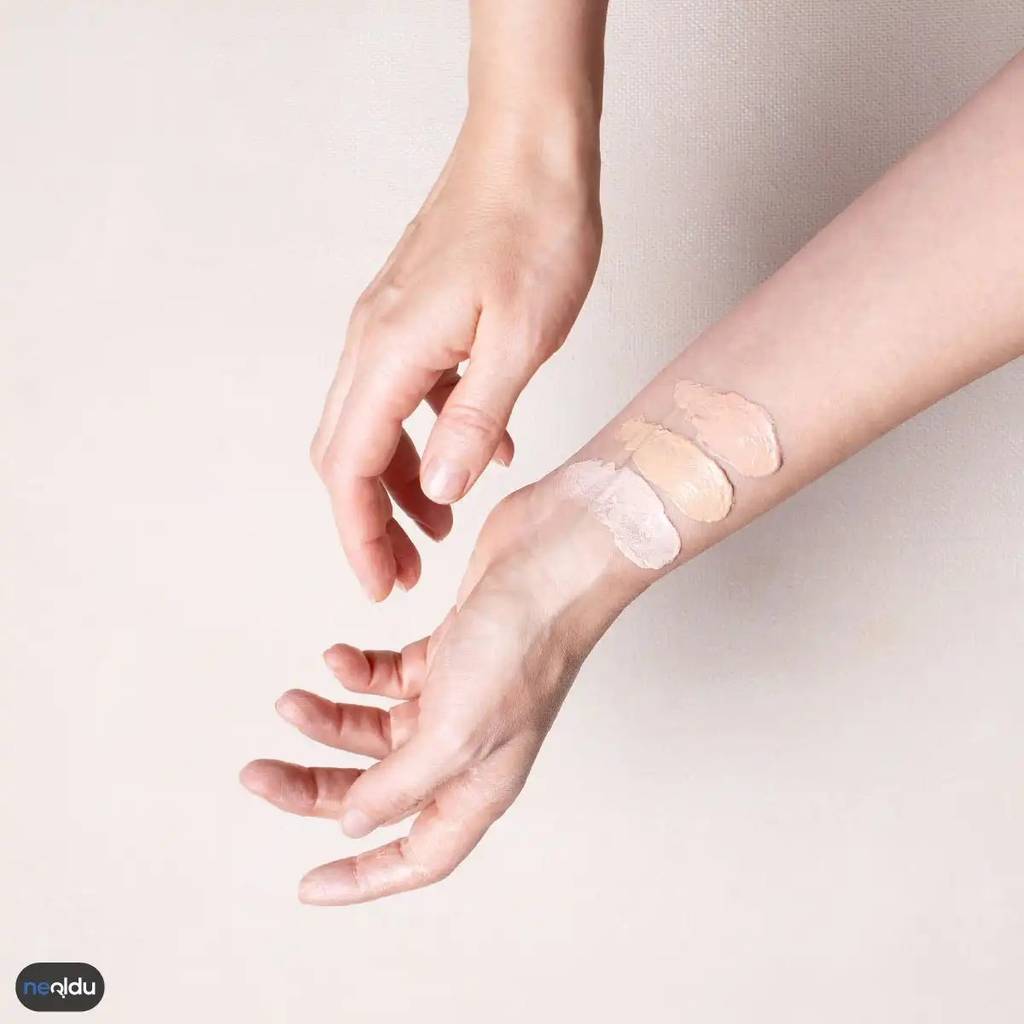
Makyaj alışverişlerinde yüzünüzde mükemmel duran fondöten, başka bir markada sararmış veya solgun görünüyorsa, sorun cildinizin rengi değil, cilt alt tonunuzu bilmemektir. Bu detay, giyiminizden makyajınıza kadar her şeyi değiştiren anahtar kelimedir. Peki, tam olarak hangisi sizsiniz?
Soğuk Cilt Alt Tonu: Mavi ve Mor Aşığı
Soğuk cilt alt tonuna sahip olmak, cildinizde pembemsi ve kırmızımsı bir ağırlık olduğu anlamına gelir. Gözlerinizde de genellikle mavi, gri veya yeşilimsi tonlar hâkimdir. Bu gruba dahilseniz, paletinizde mavi tabanlı pembe ve mavi tabanlı kırmızı renkler öne çıkar.
Ruj seçimi yaparken tereddüt etmeyin. Koyu bordo, soğuk pembe ve pastel tonlar, cildinizin canlılığını korur ve yorgun görünmenizi engeller. Altın yerine gümüş takılar, bu tonda daha doğal ve bütünlüklü durur. Mor ve mavi tonlarındaki kıyafetler, soğuk cilt yapınıza en uyumlu seçeneklerdir.
Sıcak Cilt Alt Tonu: Altın ve Turuncu Sevici
Cildinizde sarı pigmentler hâkimse, sıcak cilt alt tonu sizin için yazılmıştır. Genellikle kahverengi veya zeytin tonlarında gözleri olan kişiler bu gruptadır. Cildiniz güneşte çabuk bronzlaşır ve yanık rengi alır.
Bu ton için turuncu, sarı, zeytin yeşili ve sıcak kırmızı tonları en iyi dostunuzdur. Allık seçerken şeftali ve sarıya kaçan pembe tonlarını tercih edebilirsiniz. Makyajda altın tonları, teninizle harika bir uyum sağlar. Kıyafetlerde ise toprak tonlarından hardala, mercandan turuncuya kadar uzanan bir yelpazeniz var.
Nötr Cilt Alt Tonu: Her Şeye Uyumluluk
Daha nadir görülen bir alt tondur. Nötr cilt alt tonuna sahip olmak, birçok kişi tarafından “en şanslı” durum olarak nitelendirilir. Neden mi? Çünkü ne tamamen soğuk ne de tamamen sıcak tonlardasınız. Cildinizde ne mavi ne de belirgin bir sarı ağırlık vardır.
Bu esneklik sayesinde, neredeyse her renk tonunu rahatlıkla taşıyabilirsiniz. Hem gümüş hem de altın takılar size yakışır. Makyajda pembe ve turuncu tonları arasında gidip gelebilir, kıyafetlerinizi istediğiniz gibi kombinleyebilirsiniz. Sınırlı bir paletiniz yok; istediğiniz rengi
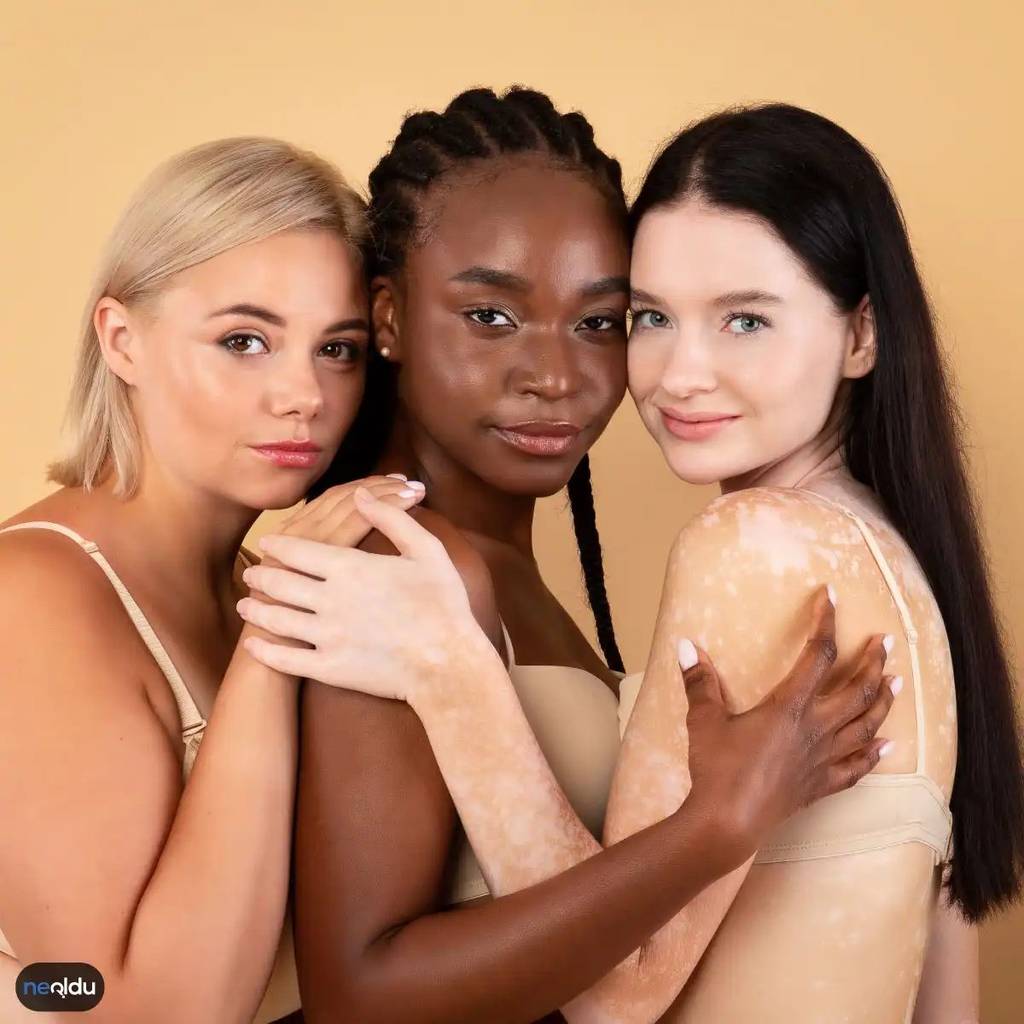
How to Identify Your Skin Undertone: 3 Simple Home Tests
Choosing the right undertone isn’t just about vanity. It’s the difference between a complexion that looks radiant and one that looks sallow or washed out. Once you know whether you lean warm, cool, or neutral, your skincare routine and makeup choices fall into place naturally. If you’ve been guessing at foundations for years, it’s time to stop the trial and error.
There are three reliable methods to pinpoint your skin’s underlying hue. You don’t need a professional esthetician. You just need a bit of natural light and a few household items.
The Vein Test for Undertone
This is the classic starting point. Grab a mirror and step outside, or find a spot with bright, natural daylight. Artificial bulbs can lie. Look at the veins on the inside of your wrists or near your temples.
If those veins appear distinctly green, you likely have a warm undertone. The yellow and golden hues in your skin mix with the blue of the veins, creating an olive or greenish cast.
If the veins look blue or purple, you’re in the cool category. Blue and pink undertones sit beneath the surface, allowing the true blue of the blood vessels to show through clearly.
What if you can’t decide? If some veins look blue while others look green, you probably have a neutral undertone. This means you’re balanced between warm and cool. You can likely pull off both gold and silver jewelry without looking off.
The Silver vs. Gold Jewelry Test
This method is often faster and more intuitive than the vein check. It relies on how metals reflect against your complexion. You’ll need a pair of silver items and a pair of gold items. Simple hoops or a watch band work fine.
Hold the silver near your face first. Does your skin look brighter? Does your complexion appear more even and lively? If yes, you have a cool undertone. Silver complements pink and blue bases.
Now switch to gold. Do you look healthier? Does the warmth of the metal enhance your glow? If so, you have a warm undertone. Gold echoes the yellow, peach, or golden tones in your skin.
If both look equally good, you’re likely neutral. You aren’t locked into one metal type. This flexibility is a perk of having a balanced undertone.
The White Paper Test for Skin Tone
This test strips away distractions. You need a blank, unlined sheet of white paper. Make sure your face is clean. Splash it with cool water and pat it dry. No makeup, no moisturizer, just bare skin.
Hold the white paper up next to your face in natural light. Look at the contrast.
If your skin takes on a yellowish or sallow cast against the white, you have a warm undertone. The yellow tones in your skin merge with the paper.
If your skin appears pink, rosy, or even slightly bluish, you have a cool undertone. The pink hues dominate the visual mix.
If the paper doesn’t seem to influence your skin color much, or if you can’t clearly see yellow or pink, you’re probably neutral. The contrast is minimal, indicating a balanced pigment profile.
What Is Skin Undertone?
Undertone is the subtle color beneath the surface of your skin. It’s not what changes with a tan or a breakout. It’s the permanent pigment that gives your skin its underlying hue. It generally falls into three categories: warm, cool, or neutral.
How to Learn My Skin Undertone
Check the skin on the inside of your wrist or the side of your neck. These areas are thinner and show the true pigment more than your forehead or cheeks, which can be affected by sun exposure.
If the skin looks golden, orange, red, or bronze, you have a warm undertone.
If the skin looks pink, red, or blue, you have a cool undertone.
How to Tell If You Have a Yellow Undertone
A yellow undertone is a hallmark of warm skin. People with this undertone often look best in earthy tones. Colors like orange, red, yellow, and green tend to harmonize with yellow bases. Avoid pastels that might wash you out; opt for richer, warmer shades instead.
Can Skin Undertone Change?
No. Your undertone is genetic. It’s determined by the amount and type of melanin in your skin. While your surface skin tone might darken in the summer or lighten in the winter, the underlying tone remains constant. You can’t “change” from warm to cool. You can only learn to work with what you have.
What Color Are Purple Veins?
If you look at your wrists and see primarily purple or blue veins, you have a cool undertone. The blue and pink pigments in your skin allow the deoxygenated blood to show through as a cool purple or blue. This is a clear sign to lean toward