Osteoporosis is often called a “silent thief” because it steals bone density without warning. Most people remain unaware they have the condition until a minor fall results in a painful fracture, typically of the hip, wrist, or spine. Understanding how to protect bone health is not just about avoiding injury later in life; it is about maintaining independence and quality of life as we age.
While aging is a primary risk factor—particularly for women over 50 and men over 70—bone loss is not an inevitable consequence of getting older. Experts emphasize that a combination of targeted nutrition, specific physical activities, and lifestyle adjustments can significantly reduce fracture risk, even if you have already been diagnosed with osteoporosis.
Why Bone Density Declines with Age
To protect your bones, it helps to understand why they weaken. Bone is living tissue that constantly breaks down and rebuilds itself. In youth, this process is balanced. However, as we age, several factors disrupt this equilibrium:
- Reduced Efficiency: The body becomes less efficient at rebuilding bone tissue.
- Hormonal Changes: For women, menopause triggers a sharp drop in estrogen, a hormone that plays a critical role in regulating bone formation and breakdown. Without this protection, bone loss accelerates.
- Nutrient Absorption: Older adults often absorb calcium and other nutrients less effectively from food.
According to research published in Clinical Medicine, the stakes are high: 50% of women and 20% of men over age 50 will experience an osteoporosis-related fracture. These fractures are not merely painful; they can lead to long-term disability. Therefore, prevention and management are crucial.
The Non-Negotiables: Exercise and Fall Prevention
Before discussing diet, experts agree that physical activity is the cornerstone of bone health. Dr. Deborah E. Sellmeyer, a metabolic bone disease expert at Stanford Medicine, highlights that nutrition alone is insufficient without mechanical stress on the bones.
Key Exercise Recommendations:
* Impact Activity: Aim for 30 minutes of daily impact exercise, such as brisk walking.
* Resistance Training: Engage in progressive weight and resistance training at least twice a week to stimulate bone growth.
* Balance Training: Incorporate activities like tai chi, yoga, or single-leg stands to improve stability.
“Avoiding fractures is the main concern,” notes Dr. Rozalina McCoy of the University of Maryland School of Medicine. “Once a fracture occurs, the risk for subsequent, more severe breaks increases.”
Consequently, fall prevention is as important as bone strengthening. Simple home modifications—such as improving lighting, removing trip hazards like rugs, and maintaining regular eye exams—can drastically reduce the likelihood of a catastrophic fall.
The Dietary Pillars: Calcium, Vitamin D, and Protein
When it comes to nutrition, four endocrinologists consulted for this analysis agreed on two primary nutrients that have been clinically proven to reduce fracture risk: calcium and vitamin D.
While clinical trials often use supplements due to the difficulty of controlling variables in food studies, experts stress that dietary sources are preferable when possible.
1. Calcium and Vitamin D
These two nutrients work synergistically. Calcium provides the structural material for bones, while vitamin D ensures the body can absorb that calcium efficiently.
* Daily Goal for Calcium: 1,000 to 1,200 milligrams for postmenopausal women and older men.
* Daily Goal for Vitamin D: 800 to 1,000 international units (IU).
2. The Overlooked Hero: Protein
Often neglected in bone health discussions, protein is vital. Dr. Jad Sfeir of the Mayo Clinic explains that protein forms the collagen matrix—the “scaffolding” upon which calcium and minerals are deposited. Without adequate protein, bones lack flexibility and strength, making them more brittle.
The Best Food for Bone Health: Sardines
While a balanced diet is essential, one food stands out for its unique combination of bone-boosting nutrients: sardines.
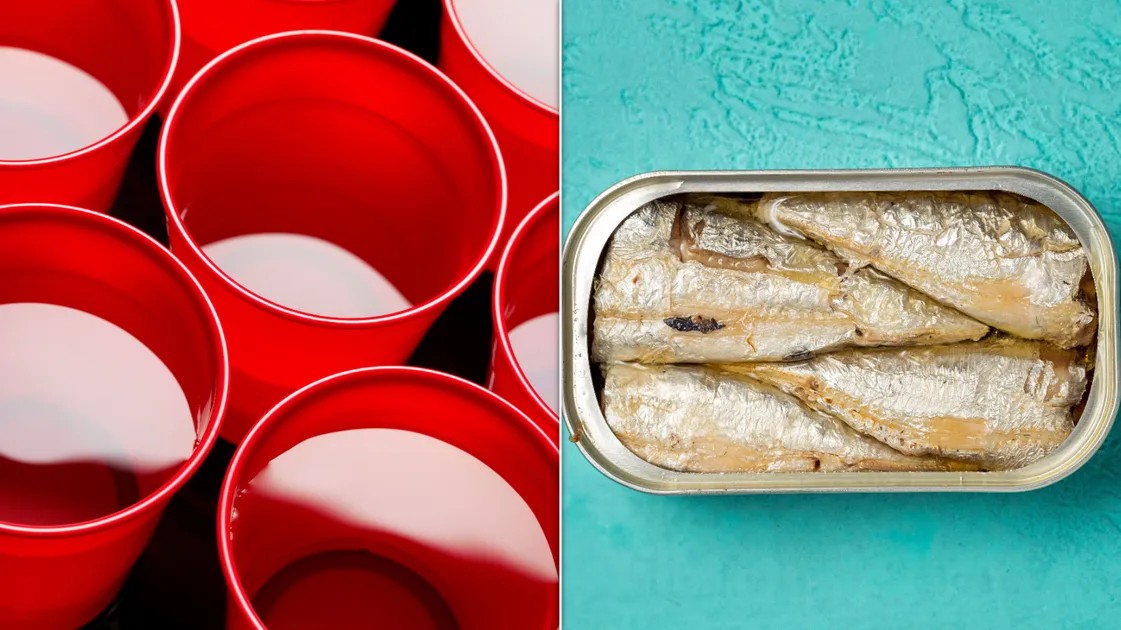
Dr. Yesika Garcia of the Medical Offices of Manhattan recommends sardines because they deliver calcium in a highly absorbable form (via their edible bones), are rich in vitamin D, and provide high-quality protein.
- Nutritional Breakdown: A 3-ounce serving of sardines contains approximately 325 mg of calcium (about 30% of the daily recommendation) and 46 IU of vitamin D (about 17% of the daily recommendation).
- Recommendation: Eat sardines two to three times a week for maximum benefit.
Alternatives for Those Who Dislike Sardines:
* Dairy Products: Milk, yogurt, and cheese are excellent calcium sources for those without lactose intolerance.
* Non-Dairy Options: For vegans or those with dairy sensitivities, it is critical to monitor blood levels of calcium and vitamin D. Consult a healthcare provider or dietitian to determine if supplements are necessary to meet daily goals.
Foods and Habits That Weaken Bones
Just as certain foods build bone, others actively dismantle it. Experts identify three major dietary offenders:
- Alcohol: Perhaps the most significant threat, alcohol suppresses osteoblasts (the cells responsible for building new bone) and interferes with vitamin D metabolism.
- Soda (Specifically Dark Colas): The phosphoric acid found in many sodas can pull calcium from bones to maintain the body’s chemical balance. Note that sparkling water typically does not contain phosphoric acid and is generally safe.
- Excess Sodium: High salt intake causes the kidneys to excrete more calcium through urine, depleting the body’s stores.
Conclusion
Osteoporosis is common, but it is largely preventable. By prioritizing weight-bearing exercise, ensuring adequate intake of calcium, vitamin D, and protein, and limiting alcohol and sodium, you can build and maintain stronger bones at any age. Whether you are just starting to focus on bone health or managing an existing diagnosis, these lifestyle changes offer a powerful path toward resilience and independence.