Menstrual cups feel like the hot new thing in period care. You’d be forgiven for thinking they are a modern invention, born from late-night internet rabbit holes or influencer recommendations. They aren’t. The first patent for a menstrual cup dates back to 1867. An updated version actually hit the market in 1937. They didn’t truly catch on until the turn of the century, spreading through women’s colleges and alternative health websites, as the New York Times noted in 2003.
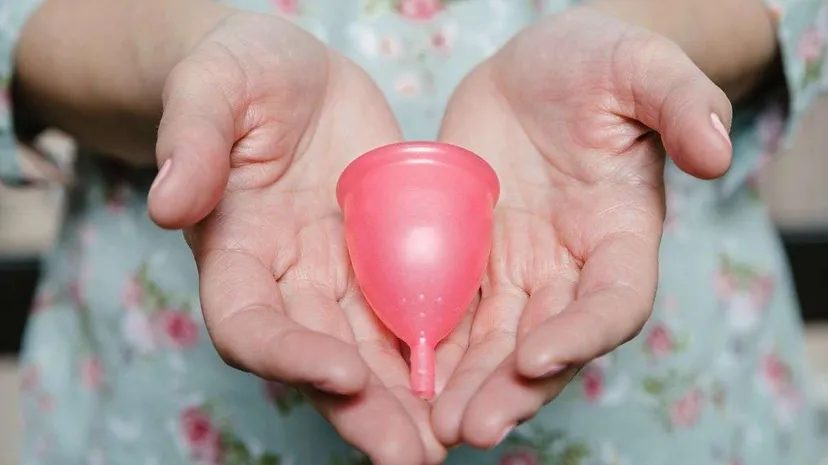
The device itself is simple. Soft cups made of latex or silicone insert into the vagina to catch flow. They nestle against the cervix. You leave them in for a few hours, depending on your flow, then wash them out and reuse them. One cup lasts at least a year. That is significantly more affordable than buying tampons and pads every couple of months. It also creates far less environmental waste.
Despite these clear advantages, menstrual cups are still a blip in sales compared to traditional pads and tampons in the US. Why? Cristen Conger from Stuff Mom Never Told You points to four main reasons.
Habit is a Hard Habit to Break
We are creatures of habit. You likely use the same products you’ve always used. If you’re a woman who still gets her period, you are probably using the same brands your mom handed to you when you first got it. Changing that routine takes effort. It requires learning a new skill. It feels weird at first.
Vaginaphobia
You have to get up close and personal with your vagina to insert a cup correctly. This intimacy can be intimidating. For some, getting that close feels too personal. It requires a level of self-examination that society doesn’t really encourage.
The Ick Factor
There is always the possibility of the cup getting too full. Spilling its contents on you is not fun. It’s a genuine fear. Tampons don’t have this visibility. You don’t see the blood. With a cup, you are more aware of the mechanics. That awareness can be unsettling for first-time users.
The Money Factor
Pharmacies and feminine hygiene companies make a lot more money from consumers buying monthly supplies. They have less incentive to stock or make menstrual cups. The business model relies on recurring revenue. A cup that lasts a year disrupts that model. It’s not a conspiracy. It’s just math.
How Menstrual Cups Compare to Traditional Options
If you are curious about switching, here is what you need to know about the practical differences. Menstrual cups are reusable. Pads and tampons are disposable. This changes the economics entirely. You buy a cup once. You buy tampons every month.
The environmental impact is stark. Single-use products generate tons of waste. Cups do not. They are made of medical-grade silicone or latex. These materials are durable. They last for years.
Learning to use a cup takes time. It is not plug-and-play. You have to learn how to fold it. How to insert it. How to remove it. How to clean it. It feels awkward at first. That is normal. Many women stick with their old methods because the learning curve feels steep.
Why Switching Feels Like Too Much Work
The resistance isn’t just about money. It’s about comfort. It’s about familiarity. Tampons and