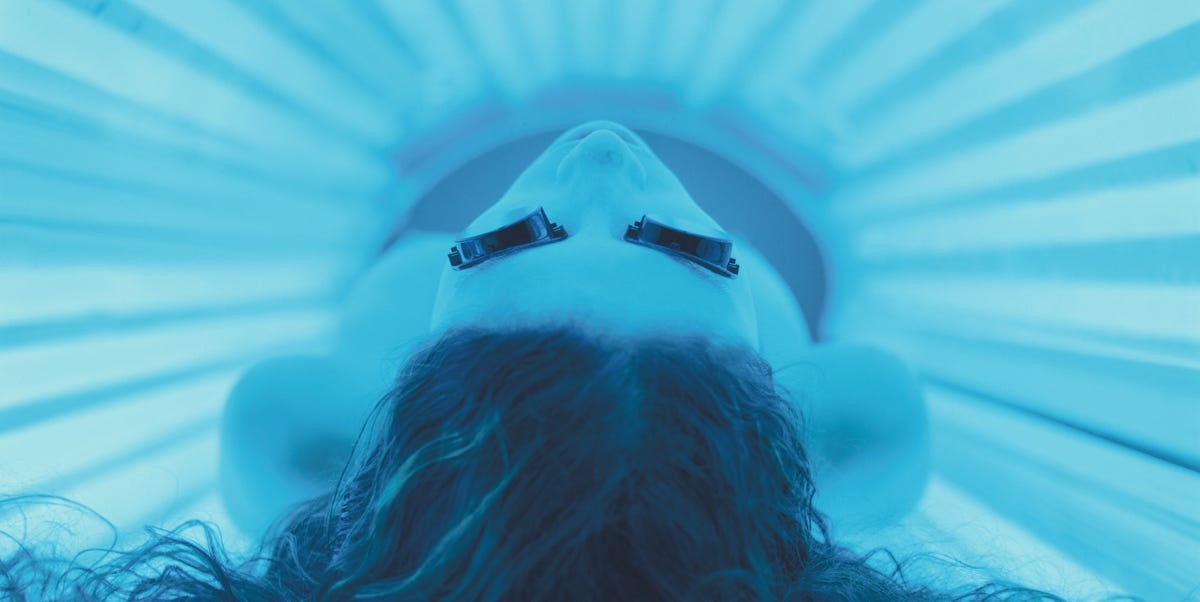
Despite well-established health warnings, indoor tanning remains popular among some demographics, but recent research solidifies the link between artificial UV exposure and a significantly higher risk of developing melanoma, the most dangerous form of skin cancer. The study, published in Science Advances, reveals that frequent tanning bed use not only triples melanoma risk but also causes measurable DNA damage that can lead to cancer over time.
The Study’s Findings: A Clear Correlation
Researchers analyzed the medical records of nearly 3,000 individuals with a history of indoor tanning, comparing them to a control group with no such exposure. The results were stark: 5.1% of indoor tanners developed melanoma, compared to 2.1% in the non-tanning group. Crucially, the study found that tanning bed users exhibit DNA damage across broader skin areas than those exposed primarily to sunlight, even on regions rarely exposed to natural UV rays. This suggests that the full-body exposure common in tanning sessions is particularly harmful.
The risk also increased with frequency; the more someone used tanning beds, the higher their likelihood of developing melanoma. This “dose-dependent relationship” underscores the direct impact of artificial UV radiation.
Why Tanning Beds Are So Dangerous: The Science Behind the Risk
The connection between indoor tanning and skin cancer isn’t new, but this study clarifies how it happens. According to Alan Hunter Shain, PhD, co-author of the study, tanning beds “increase the mutation burden of skin cells.” While not all mutations are cancerous, a higher mutation rate dramatically increases the probability of uncontrolled cell growth.
Tanning beds deliver UV radiation in concentrated doses, often exceeding those from natural sunlight. This high-intensity exposure, combined with full-body coverage, accelerates DNA damage. Pedram Gerami, MD, lead study author, warns that the consequences are long-lasting: “Patients may face frequent skin exams, biopsies, anxiety over cancer diagnoses, and even life-threatening illness due to choices made in their youth.”
The Irreversible Damage
The UV radiation emitted from tanning beds is distinct from natural sunlight, with wavelengths and intensities that maximize DNA disruption. Once this damage occurs, there’s no reversal. Doctors can treat the consequences (such as melanoma), but the underlying genetic changes remain.
Dermatologists’ Recommendation: Avoid Tanning Beds at All Costs
The medical consensus is clear: indoor tanning is inherently dangerous. Gary Goldenberg, MD, a board-certified dermatologist, puts it bluntly: “Just don’t do it.” He also notes the addictive nature of tanning, making prevention even more crucial.
For those who desire a tanned appearance, dermatologists recommend self-tanning products as a safe alternative. These provide the cosmetic effect without the carcinogenic risks.
Ultimately, this research reinforces that indoor tanning is not a harmless cosmetic practice. It’s a significant health hazard with potentially fatal consequences. Avoiding tanning beds is one of the most effective steps individuals can take to protect themselves from skin cancer.