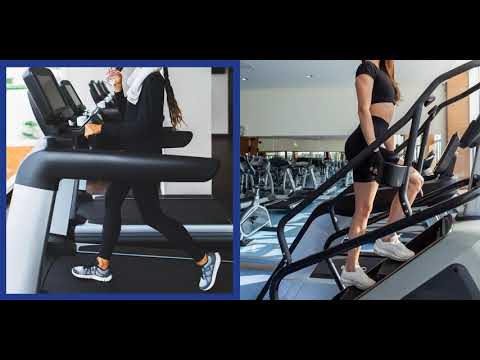
When it comes to maximizing your gym time, choosing the right cardio machine can make all the difference. Both incline walking and the stair stepper offer effective workouts, but they engage your body in distinct ways. Understanding these differences – from calorie burn to muscle activation – is key to optimizing your training for specific goals.
How Each Machine Works
The core difference lies in biomechanics. Incline walking on a treadmill shifts your center of gravity forward, forcing your body to work against gravity with each step. This engages calves, glutes, and hamstrings, particularly at higher speeds. The stair stepper, however, requires a larger hip flexor movement, lifting the knees higher with each step, which recruits similar muscle groups but in a slightly different pattern.
Calorie Burn: Which One Wins?
While intensity, speed, incline, and body weight play major roles in calorie expenditure, the stair stepper generally burns more calories than incline walking at similar effort levels. This is because lifting your entire body weight vertically with each step is mechanically more demanding than walking on an incline. A 150-pound person might burn 200-300 calories in 30 minutes on either machine, but the stair stepper tends to push exercisers into higher VO2 max zones faster.
Cardio Endurance: A Matter of Intensity
Both machines can provide excellent cardio workouts. The effectiveness depends on how hard you push yourself. Increasing the incline or speed on the treadmill, or cranking up the pace on the stair stepper, can elevate the intensity. However, the stair stepper may reach peak cardiovascular demand more quickly due to the constant vertical lift.
Strength Training: Engaging More Muscles
The stair stepper has a slight edge in strength training, recruiting more quads and glutes by lifting your entire body weight vertically. While incline walking also engages these muscles, the stair stepper’s vertical movement demands greater exertion.
Joint Impact and Accessibility
Both are considered low-impact workouts. However, incline walking may be gentler on the knees. Studies show that walking on an incline reduces stress on the knee joint while still strengthening leg muscles.
Maximizing Your Workout: Form and Technique
No matter which machine you choose, proper form is critical. Avoid leaning on the handrails, as this reduces the workout’s effectiveness. Keep your arms swinging naturally on the treadmill, and maintain good posture on the stair stepper.
For the treadmill :
- Challenge yourself by gradually increasing the incline or speed every minute.
- Incorporate interval training with short bursts of high intensity followed by recovery periods.
For the stair stepper :
- Avoid hanging on the handrail to engage your core and leg muscles fully.
- Consider wearing a weighted vest to increase intensity if you’re comfortable.
- Mix in interval workouts to prevent fatigue and maintain engagement.
Ultimately, the “better” machine depends on your individual goals and preferences. Consistency is key for cardiovascular health. Choose the workout you’ll stick with, and push yourself to maximize your results.