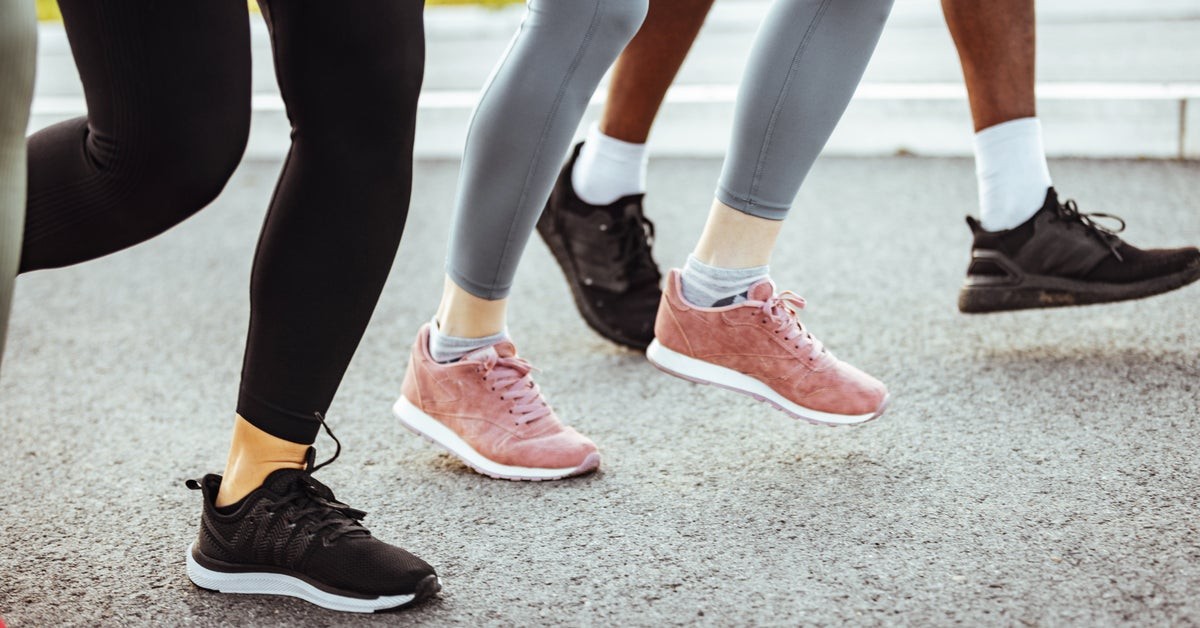
Walking is already one of the most accessible forms of exercise, requiring no special equipment and offering substantial benefits for heart health, sleep, and overall well-being. But a new trend, known as rucking, is emerging as a way to amplify those benefits by adding resistance to your daily stroll.
What Is Rucking?
Rucking is essentially walking with weight on your back – typically using a backpack or specialized “rucksack.” The practice originates from military training, where soldiers carry heavy loads over long distances to build endurance. As Nichele Cihlar, director of training at GORUCK, explains, “Rucking is simply just walking with weight on your body… weight on your back, technically.”
This isn’t about extreme fitness; it’s about turning an ordinary walk into a more effective workout. The appeal lies in its simplicity: you likely already have everything you need to get started.
Why Ruck? The Benefits Explained
Rucking combines the benefits of cardio with resistance training, filling a gap in many fitness routines. While strength training is recommended twice weekly, many people struggle to meet that minimum. Rucking provides a natural way to incorporate resistance without dedicated gym time.
The impact is substantial:
- Increased Cardiovascular Endurance: Rucking improves cardiac output, making your heart more efficient at pumping blood. This can lower blood pressure and enhance overall heart health.
- Enhanced Posture and Back Strength: The weighted pack encourages better posture, counteracting the effects of prolonged sitting.
- Improved Bone and Muscle Health: Resistance training, even in the form of a weighted walk, is crucial for maintaining bone density and muscle mass, especially as we age. Muscle and bone health naturally deteriorate after age 30.
- Mental Well-being: Outdoor exercise reduces stress, boosts mood, and provides vitamin D exposure, potentially alleviating symptoms of depression and anxiety.
How to Start Rucking
Getting started is remarkably straightforward. Cihlar suggests, “You can literally start with a backpack you have in your closet and… throw some magazines in it… your water bottle.”
However, experts recommend using a proper rucksack for safety. Unlike standard backpacks, rucksacks distribute weight more evenly and sit higher on the back, preventing strain.
The key is to start slow. If you’re new to exercise, begin with 5–10 pounds and a one-mile walk. Experienced weightlifters may opt for 20–30 pounds. Listen to your body and gradually increase weight or distance as you build strength. For an added challenge, incorporate hills into your route.
“You don’t want to start heavy and get discouraged,” Cihlar emphasizes. “You can always grow from there.”
Rucking isn’t about breaking records; it’s about making your daily walk more effective and enjoyable.
Ultimately, rucking offers a practical way to upgrade a simple habit into a powerful wellness tool. The beauty of the exercise is that it requires minimal effort to start while delivering meaningful benefits for both body and mind.