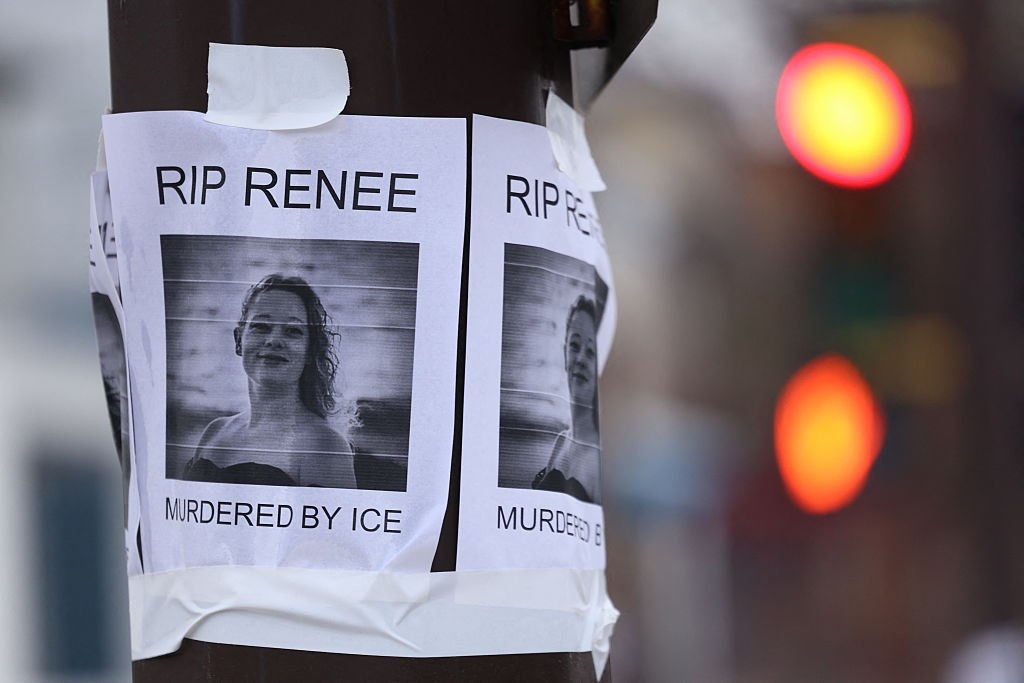
The recent fatal shooting of Renee Nicole Good, a 37-year-old mother of three, by ICE agents has sparked widespread outrage and prompted difficult conversations, especially for parents. Many teenagers are grappling with the trauma and injustice of this event, as well as a broader sense of despair about violence in the world. This article offers guidance on how to navigate these discussions with your teens.
Acknowledging the Reality
The death of Renee Good, shot multiple times while in her vehicle, is a stark reminder of police brutality and systemic issues. Bystander videos quickly circulated on social media, showing the aftermath and sparking immediate outrage. Many teens are processing this event alongside other forms of violence, leading to feelings of fear, anger, and helplessness.
Psychologists emphasize the importance of acknowledging these feelings rather than trying to sugarcoat the situation. “This is not really a time for reassurance,” says Barbara Greenberg, a Connecticut-based psychologist. “It is a time for education, of both history and politics, which can help open up conversations about our country.”
How to Respond: Listening First
According to Omar Gudiño, a senior psychologist at the Child Mind Institute, the first step is listening to your teen’s thoughts and validating their emotional response. Whether they express fear, anger, or a sense of injustice, it’s crucial to help them articulate what they’re feeling.
It’s also important to model vulnerability. Showing your own upset can make teens feel more grounded, as long as you validate their experience while sharing yours.
“This doesn’t make a lot of sense” is sometimes all we can say.
Managing Exposure to Social Media
The constant stream of graphic content on social media can exacerbate anxiety and overwhelm. Experts suggest setting boundaries around social media use, encouraging breaks, and having open conversations about what they’re consuming.
Kris Perry, executive director of Children and Screens, recommends limiting exposure: “Don’t watch as much content right now. It’s too upsetting. Let’s do something that makes us feel connected and happy instead.”
Focusing on Actionable Steps
While it’s valid to acknowledge helplessness in the face of systemic violence, encouraging teens to focus on what they can control can be empowering. This could involve attending vigils, volunteering, donating to related causes, or simply staying informed.
Historian Heather Cox Richardson suggests focusing on local action: “The place you start to change politics is at the local level. So do that.” The fact that Renee Good’s death was documented by neighbors underscores the importance of community awareness and accountability.
The Importance of Kindness
Renee Good’s wife, Becca Good, shared a statement emphasizing her legacy of kindness and love. This serves as a reminder that even in the face of brutality, nurturing empathy and compassion remains vital.
Ultimately, talking to teens about violence requires honesty, validation, and a focus on actionable steps. By acknowledging their fears, managing their exposure to overwhelming content, and encouraging engagement with local movements, parents can help teens navigate these difficult conversations while fostering resilience and hope.