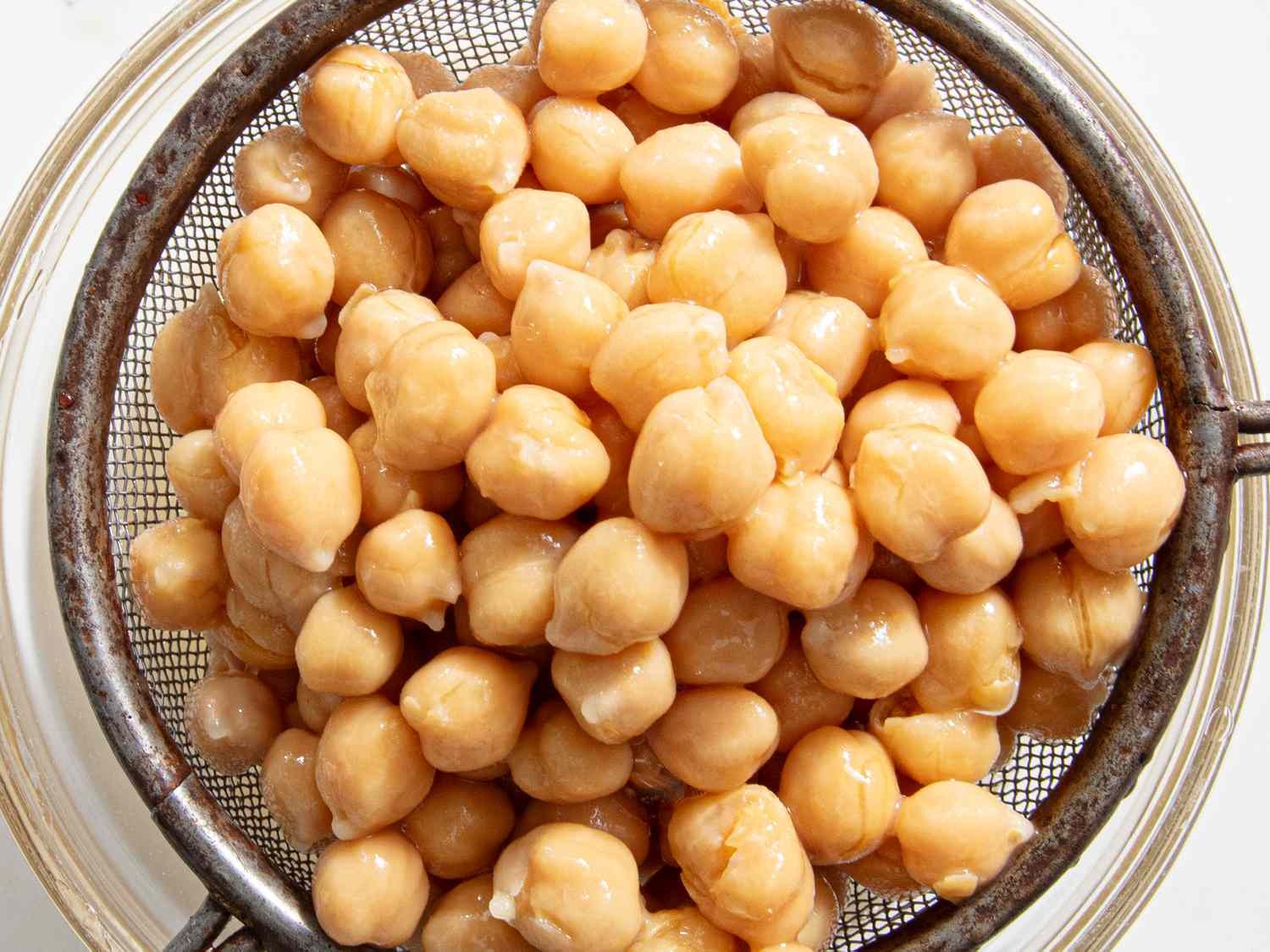
Canned beans are a kitchen staple for a reason: they cut down on prep time without sacrificing quality. But when a recipe demands truly soft legumes—think silky hummus or melt-in-your-mouth stews—canned chickpeas often fall short. The secret to achieving that ideal texture isn’t more cooking time; it’s a simple chemical adjustment.
The Calcium Chloride Conundrum
Many canned bean manufacturers add calcium chloride to prevent mushiness and maintain visual appeal. This ensures beans arrive firm and intact, but it also makes them stubbornly resistant to softening, even after prolonged simmering. If you check the ingredients list, calcium chloride is a key indicator: beans with it will require more intervention.
The science behind this is straightforward: calcium chloride stabilizes the bean’s pectin structure, making it harder for heat to break down. It creates a network that locks in firmness, preventing the beans from collapsing into the desired creamy texture.
The Baking Soda Solution: A Rapid Softening Hack
The most effective fix? Baking soda. A half teaspoon added to 1 1/2 cups of drained canned beans (typically from a 15-ounce can) transforms firm chickpeas into tender, easily mashed morsels in just minutes.
Here’s how it works: baking soda replaces calcium ions with sodium, weakening the pectin bonds. The resulting alkaline environment accelerates breakdown, making the beans pliable and smooth.
- 5 minutes: Beans start absorbing baking soda.
- 7 minutes: Noticeably softer, swollen texture.
- 8+ minutes: Skins separate as the insides collapse.
The downside? The cooking liquid will taste soapy. To avoid transferring that flavor, drain the baking soda water and return the beans to their original canning liquid or fresh water.
Pressure Cooking as an Alternative
If you prefer a hands-off approach, a pressure cooker can also tenderize canned beans. However, it’s not a significant time saver: building pressure, cooking, and releasing pressure takes around 30 minutes, comparable to cooking dried beans from scratch. The benefit here is flavor infusion; add aromatics like bay leaves or spices for a more complex result.
Combining Baking Soda and Pressure Cooking: Proceed With Caution
While tempting, combining these methods yields overly mushy, disintegrating beans. Unless you’re making a pureed dish where texture doesn’t matter, stick to one approach.
Ultimately, achieving perfectly soft canned chickpeas is a matter of understanding how they’re processed and applying a simple fix. Whether you choose baking soda or a pressure cooker, the result is a smoother, more flavorful final product.