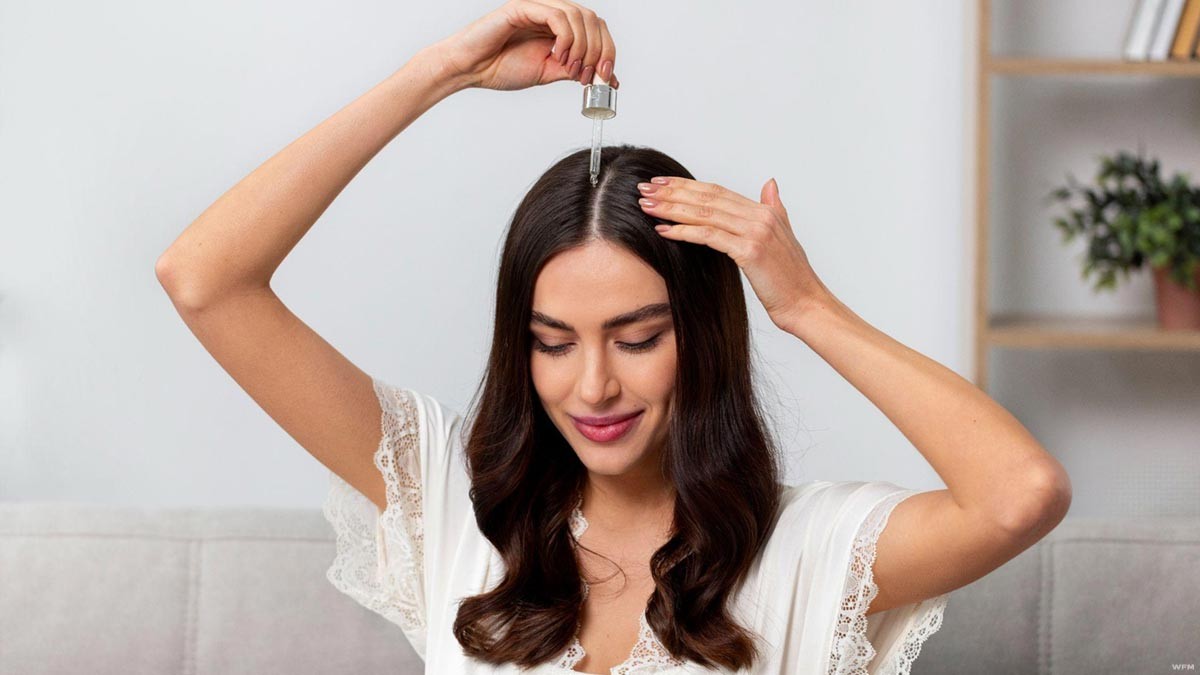
Hair loss is rarely just a cosmetic concern. For many, it is a significant source of anxiety that impacts confidence and daily well-being. While the market is flooded with oils, supplements, and home remedies promising quick fixes, few have the clinical backing required for real, sustained results. Among these options, Minoxidil 5% stands out as one of the most reliable, scientifically validated treatments for managing pattern hair loss in both men and women.
From Blood Pressure Medication to Hair Growth
The story of Minoxidil begins not in a cosmetic lab, but in a cardiology clinic. Originally developed in the 1970s as an oral medication to treat high blood pressure, doctors noticed an unexpected side effect: patients were experiencing increased hair growth. This serendipitous discovery led to the development of topical Minoxidil, specifically formulated for scalp application.
Unlike many modern hair products that rely on marketing trends, Minoxidil has decades of clinical research supporting its efficacy. It works by targeting the root cause of follicle weakness:
- Improved Circulation: It widens blood vessels around hair follicles, ensuring they receive adequate oxygen and nutrients.
- Extended Growth Phase: It prolongs the anagen phase (the active growth stage) of the hair cycle, allowing hairs to remain on the scalp longer before shedding.
- Follicle Stimulation: It helps revitalize miniaturized follicles, potentially increasing hair density and reducing visible thinning.
Why 5% Is Often Preferred Over 2%
Minoxidil is typically available in two concentrations: 2% and 5%. While both can stimulate growth, clinical studies consistently show that the 5% solution produces more noticeable results, particularly for individuals with moderate thinning.
However, “stronger” does not automatically mean “better” for every individual. A higher concentration can increase the risk of side effects, such as:
* Scalp irritation, dryness, or itching.
* Unwanted facial hair growth (particularly in women).
Because of this, a proper evaluation of scalp health and medical history is crucial before starting treatment. Dermatologists often assess factors like hormonal balance, stress levels, and nutrition to determine if Minoxidil is the right fit.
Who Responds Best?
Minoxidil 5% is most effective for androgenetic alopecia, commonly known as male or female pattern hair loss. This condition is driven by genetics and sensitivity to dihydrotestosterone (DHT), a hormone that gradually shrinks hair follicles over time.
Success depends on several key factors:
1. Stage of Loss: It works best in early to moderate stages, where follicles are still active but weakened.
2. Consistency: Daily application is non-negotiable.
3. Patience: Hair growth follows biological cycles. Visible improvement typically takes three to six months, and sometimes longer.
Key Insight: Minoxidil is not a cure. It supports follicle health while you are using it. If treatment is discontinued, the regrown hair will gradually shed, and thinning will resume.
Common Pitfalls That Undermine Results
Many users abandon Minoxidil prematurely due to misconceptions or improper use. The most common mistakes include:
- Inconsistency: Skipping applications prevents the drug from building up in the follicles.
- Panic During “Shedding”: In the first few weeks, users often experience increased hair fall. This is a normal, temporary sign that weaker hairs are being pushed out to make room for new, stronger growth.
- Improper Application: Applying the solution to a dirty or wet scalp, or overapplying the product, can reduce efficacy and increase irritation.
For optimal results, apply the recommended amount to a clean, dry scalp, allow it to absorb fully, and maintain a gentle hair care routine.
Looking Beyond the Bottle
Hair thinning is often a symptom of broader health issues. While Minoxidil addresses the local environment of the scalp, it does not fix underlying systemic problems. Factors such as:
* Iron or vitamin deficiencies
* Thyroid imbalances
* Chronic stress
* Hormonal changes
…can all contribute to excessive shedding. A holistic approach—combining topical treatment with nutritional correction and medical evaluation—often yields the best long-term outcomes.
Conclusion
Minoxidil 5% remains one of the most trusted, evidence-based tools for combating pattern hair loss. It is not a miracle cure, but a consistent, biological intervention that requires patience and realistic expectations. By understanding how it works, adhering to a strict regimen, and addressing underlying health factors, individuals can effectively manage thinning and improve hair density over time.